Panama City Beach Snapper & Tunny Fishing
Red Snapper Fishing in Panama City Beach - What to Expect

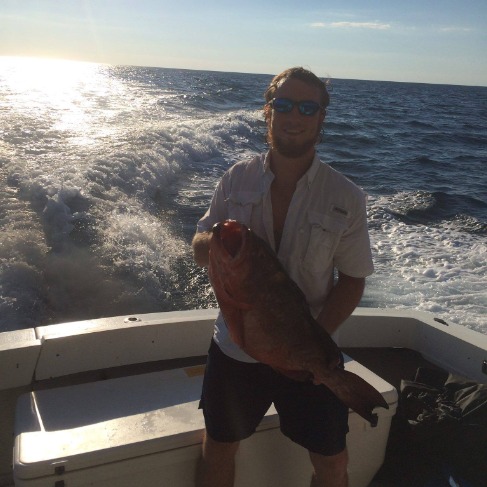
Fishing Charter by Captain Ryan Dauphin in October
- Get Reel With Panama City Beach Fishing Charters!


Summary
Captain Ryan Dauphin of Dauphins Charter Fishing delivered an exceptional offshore fishing charter on Thursday, October delivering stellar catches of red snapper and little tunny. This Panama City Beach fishing charter showcases the prolific species and professional expertise that define the Gulf Coast experience.
Fishing Charter with Captain Ryan Dauphin - Rates & Booking
Captain Ryan Dauphin of Dauphins Charter Fishing operates a premier fishing charter in Panama City Beach. As a licensed and experienced guide, Captain Dauphin specializes in inshore and nearshore fishing adventures that consistently deliver quality catches and unforgettable experiences on the water.
To book your fishing charter and learn current rates, contact Dauphins Charter Fishing directly. Captain Dauphin accommodates groups and provides all necessary fishing tackle and safety equipment for a productive day on the Gulf.
Highlights of Panama City Beach Fishing
This particular charter exemplifies the seasonal excellence Panama City Beach delivers. The mixed catch of red snapper and little tunny reflects the diverse species available throughout the year. Anglers aboard experience the thrill of battling strong-fighting game fish in Gulf waters known for consistent action and healthy fish populations.
The marina display demonstrates what a successful day looks like - multiple quality red snapper and the occasional little tunny that adds variety to the catch. These results represent typical success rates for experienced charter captains like Ryan Dauphin who understand the best fishing grounds, techniques, and timing.
Local Species Insights: Red Snapper & Little Tunny
Red snapper dominates the catch composition, and for good reason. These bottom-dwelling fish inhabit reef structures and artificial reefs throughout the Gulf, thriving in depths between 40 and 200 feet. Red snapper exhibit strong fighting ability when hooked, making them a favorite among Gulf anglers. They're aggressive feeders that respond well to live bait and cut bait presentations. The species has firm, white meat highly regarded for table quality, adding culinary value to your catch.
Little tunny, occasionally called false albacore, represents a bonus species that adds excitement to any charter. These pelagic fish school in Gulf waters and demonstrate explosive strike patterns and acrobatic runs. Their presence alongside red snapper indicates diverse fishing opportunities - from bottom jigging to sight-casting at schools. Little tunny prefer faster presentations and demand quick reflexes from anglers.
Panama City Beach sits in an optimal location where offshore structure and Gulf current patterns support both species year-round. The 80 to 100-mile-wide Gulf shelf features numerous natural reefs and artificial structures that concentrate fish. Charter captains leverage knowledge of these productive zones to intercept feeding fish consistently. The mixed species result shown here reflects the environmental conditions that make Panama City Beach one of Florida's premier fishing destinations.
Seasonal considerations matter for trip planning. Spring and fall typically produce excellent snapper fishing, while summer brings consistent action and little tunny encounters. Winter months remain productive but water temperatures and sea conditions influence fishing patterns. An experienced charter captain like Ryan Dauphin adjusts strategies based on current conditions to optimize your success.
The human element in the photo reveals the pride and satisfaction fishing charters deliver. Group fishing creates shared memories and friendly competition that enhances the experience. Whether targeting bottom structure or pursuing pelagic species, Panama City Beach fishing charters blend accessible action with genuine Gulf Coast adventure.
Fishing in Panama City Beach: Little Tunny, Grey Snapper and Red Snapper
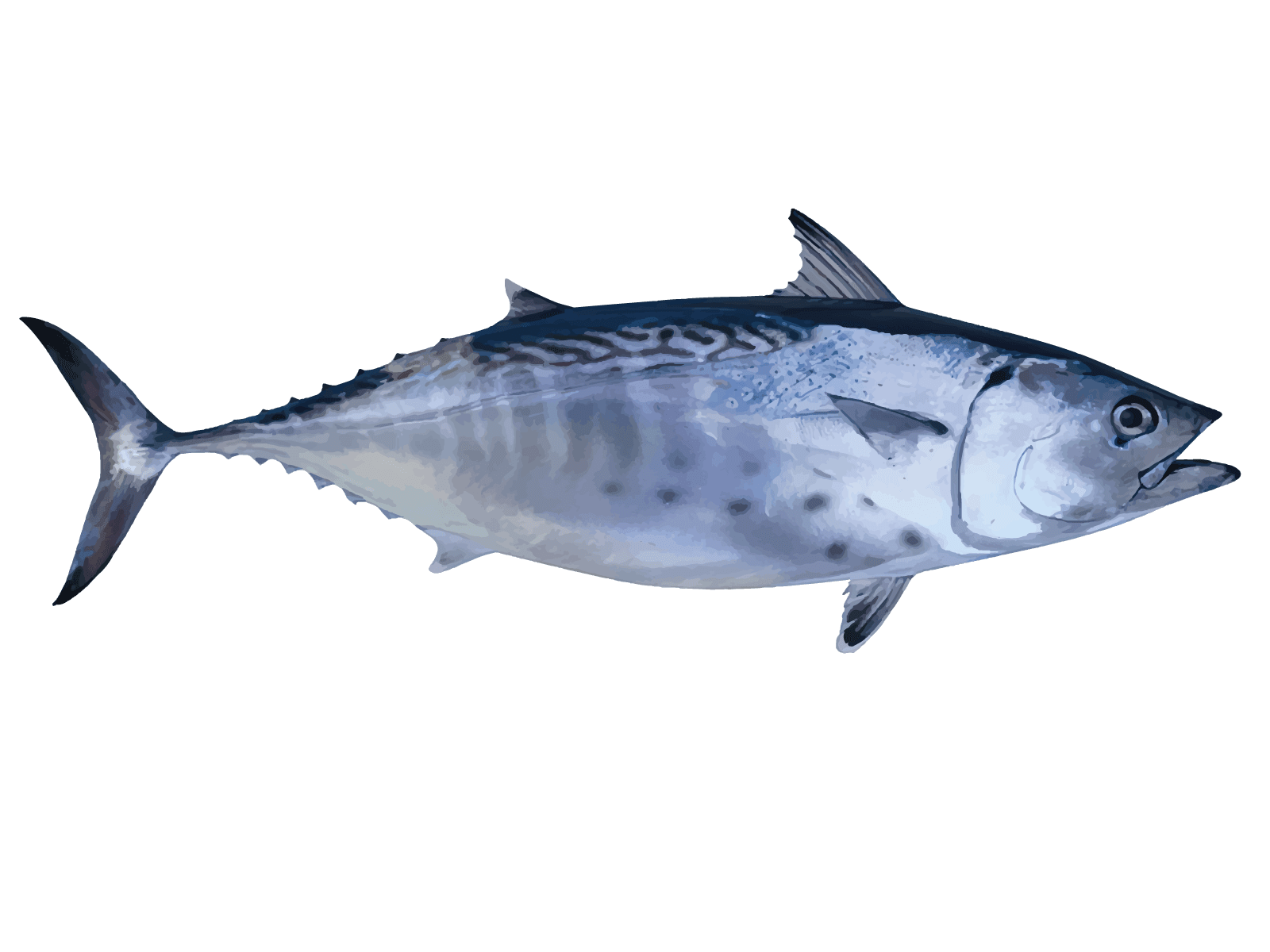
Little Tunny Overview
The Little Tunny (Euthynnus alletteratus) is a compact powerhouse of the Scombridae family, belonging to the order Perciformes. Also called Bonita or False Albacore, this smaller tuna variant has earned a devoted following among recreational anglers for its explosive fighting spirit and acrobatic runs. With a distinctive torpedo-shaped body, dark metallic blue coloring accented by blue-green stripes, and characteristic black fingerprint-like spots running along its sides, the Little Tunny is unmistakable once you've encountered one. What makes this species particularly exciting is that it's one of the more accessible tuna species for anglers targeting larger game fish, yet it delivers all the thrills you'd expect from the Scombridae family. Whether you're fishing the Atlantic coast or exploring nearshore reefs, these migratory fish offer year-round opportunity and consistently rewarding action.
Little Tunny Habitat and Distribution
Little Tunny are pelagic fish that thrive in warm to temperate coastal waters throughout the Atlantic Ocean and beyond. They prefer staying in nearshore waters, typically hugging the surface and concentrating around structure such as points, inlets, jetties, and sandbars where their prey congregates. These highly migratory fish travel in schools, moving southward during fall and winter months in search of warmer waters. You'll often find them swarming underneath jetties and around rocky outcrops, particularly when schools of baitfish are present. The species is native to Atlantic regions and can be encountered from spring through early winter depending on your location, with peak activity occurring during the warmer months when they're most aggressive and readily available to anglers.
Little Tunny Size and Weight
The Little Tunny is typically measured by weight rather than length, with average specimens ranging from 10 to 12 pounds. In terms of length, you can expect catches between 24 and 48 inches, though most fish encountered will fall in the mid-range of this spectrum. While the average weight hovers around 10–12 pounds, these fish can exceed 20 pounds, and the all-time record stands at approximately 36 pounds. Don't let the smaller size fool you—pound for pound, these fish fight with intensity that belies their modest dimensions, making them exciting targets for light-tackle and fly-fishing enthusiasts alike.
Little Tunny Diet and Behavior
As carnivorous hunters, Little Tunny are aggressive feeders that primarily consume small fish and invertebrates, particularly those found in concentrated schools. They actively hunt squid, crustaceans, and small baitfish, and they've developed a schooling strategy that amplifies their hunting efficiency—traveling in coordinated groups allows them to corral prey and overwhelm localized concentrations of food. One telling sign of their feeding activity is the noise they make while eating; experienced anglers learn to listen for the distinctive splashing and commotion that reveals an active school below the surface. These fish are relentless swimmers with high metabolic demands, which means they're almost always willing to chase fast-moving presentations. Their behavior shifts seasonally with migration patterns, becoming more active and aggressive as water temperatures warm during spring and early summer months.
Little Tunny Spawning and Seasonal Activity
Little Tunny exhibit distinct seasonal patterns driven by water temperature and prey availability. These fish are highly migratory, undertaking significant north-south movements with the changing seasons. During fall and winter, populations move southward toward warmer waters, while spring and summer see their return to northern regions where cooler, nutrient-rich waters support abundant forage. Their relatively short lifespan of approximately five years means each cohort moves through their life cycle quickly, contributing to the need for seasonal movement and continuous feeding. Peak activity for anglers occurs during spring through early fall, with summer typically offering the most consistent action. Understanding these seasonal movements is crucial for planning fishing trips, as your success depends heavily on timing your visit when populations are actively feeding in your target area.
Little Tunny Techniques for Observation and Capture
Trolling stands as the most effective and popular method for targeting Little Tunny. Set up multiple fishing lines with ballyhoo or mullet, adorned with brightly colored feathers to attract strikes. Since these fish school, working a productive area with multiple lines increases your odds significantly. Troll at moderate speeds in nearshore waters, focusing on areas with structure like jetties, points, and sandbars where schools tend to congregate. The key is patience and coverage—let your presentations work through the water column where these migratory fish are actively hunting.
Fly fishing offers thrilling sport for those seeking a lighter-tackle experience. Use lightweight streamers or poppers, casting toward visible activity or structure where you suspect schools are holding. The critical technique here is restraint—allow the fish to do the work rather than aggressively stripping or jerking your line, as these aggressive fish will take and the sudden tension could cause breakage. Around coastal inlets and nearshore reefs, sight-casting to visible schools can produce explosive strikes that rival any saltwater experience.
Live bait casting near structure is another productive approach. Deploy live Bluefish, Pinfish, or other small baitfish around jetties, rocks, and drop-offs, allowing them to swim naturally. These fish won't hesitate to chase live prey, and the advantage is that you can cover specific high-percentage zones methodically. Early morning and late afternoon often produce the most consistent activity, as feeding intensity increases during these lower-light periods.
Little Tunny Culinary and Utilization Notes
Little Tunny flesh is distinctly red compared to other tuna species, which sometimes creates confusion among consumers unfamiliar with the species—some worry it resembles red tide contamination when it's simply the natural color. The meat is robust and strongly flavored, more assertive than typical Yellowfin Tuna, which appeals to anglers who prefer deeper, meatier profiles. While edible, these fish are classified as average for food quality compared to larger tuna species, partly due to their texture and flavor intensity. If you decide to keep one for the table, thorough cleaning is essential, particularly the stomach cavity—Little Tunny are known to harbor various parasites, so proper preparation is non-negotiable. Fresher fish display redder meat, so judge quality by color intensity. Many anglers practice catch-and-release with these fish, valuing them primarily for the sport they provide rather than the culinary reward, though they certainly make acceptable table fare when properly handled.
Little Tunny Frequently Asked Questions
Q: What is the best bait or lure for Little Tunny?
A: Brightly colored feathered lures, ballyhoo, mullet, live Bluefish, and Pinfish all work exceptionally well. The key is movement and visibility—these fish are aggressive hunters that respond to fast, erratic presentations. Fly-fishing with streamers also produces excellent results for sight-casting scenarios.
Q: Where can I find Little Tunny near coastal jetties and inlets?
A: Little Tunny congregate around structure like jetties, rocky points, sandbars, and inlets where baitfish schools gather. Early morning trips to these locations often yield the best activity, as feeding intensity increases during dawn hours.
Q: Is Little Tunny good to eat?
A: Yes, though it's considered average for culinary quality compared to larger tuna species. The meat is naturally red and strongly flavored—deeper and more assertive than typical tuna. If keeping one for the table, ensure thorough cleaning to remove parasites, which this species is known to harbor.
Q: When is the best time to fish for Little Tunny?
A: Spring through early fall offers peak activity, with summer typically the most consistent period. These migratory fish move southward during fall and winter, so plan your trip accordingly. Early morning and late afternoon sessions often produce the most aggressive feeding activity.
Q: How hard do Little Tunny fight?
A: Pound for pound, these fish are outstanding fighters known for explosive strikes, aggressive runs, and acrobatic behavior. They're considered excellent odds for anglers seeking thrilling action, and many experienced saltwater fishermen specifically target them for this reason.
Q: What techniques work best for Little Tunny—trolling, casting, or fly-fishing?
A: All three techniques are effective depending on conditions and preference. Trolling with multiple lines covers water efficiently and works well in open water. Casting live bait near structure produces strikes in specific zones. Fly-fishing provides sport and elegance for sight-casting to visible schools, though each method requires patience and proper technique to succeed.
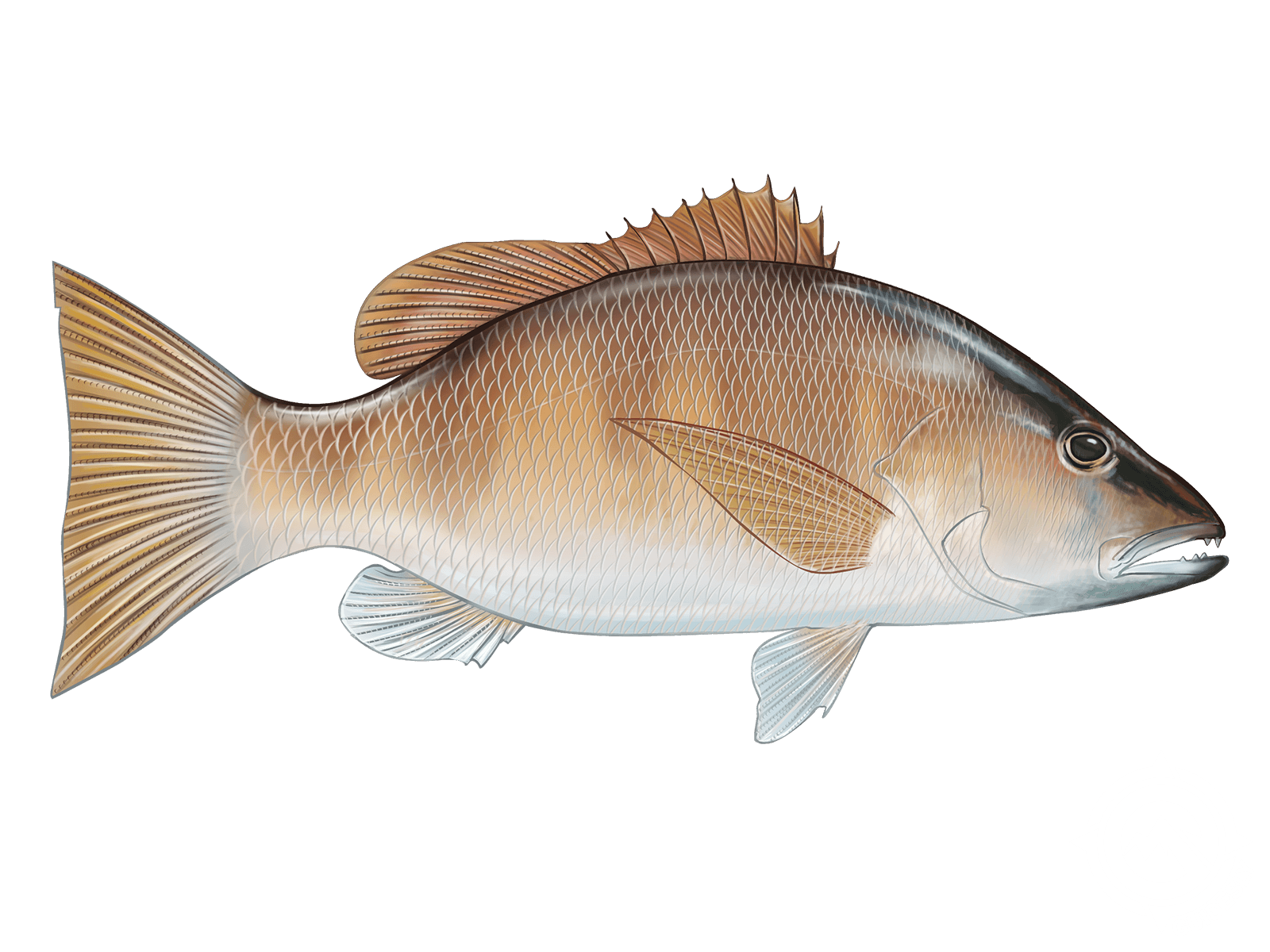
Grey Snapper Overview
The Grey Snapper, scientifically known as Lutjanus Griseus and commonly called the Mangrove Snapper, is a member of the Lutjanidae family within the order Perciformes. This remarkable fish is instantly recognizable by its striking greyish-red coloration that transitions from copper-red to brilliant red, along with a distinctive dark stripe running across its eye. With a pointed snout, thin lips, and small teeth, the Grey Snapper is one of the most abundant snapper species and a favorite among anglers and seafood enthusiasts alike. Found throughout warm to temperate waters from coastal reefs to mangrove-lined backcountry, this swift, nocturnal hunter is native to regions where it thrives as an opportunistic predator, making it a fascinating subject for both observation and fishing experiences.
Grey Snapper Habitat and Distribution
Grey Snappers are creatures of structure and cover, preferring environments rich with natural and artificial obstacles. They inhabit canals, grass flats, mangrove forests, rocky outcrops, shipwrecks, and debris fields in warm to temperate waters. These fish are distributed across onshore and nearshore reef systems, backcountry flats, rivers, and lakes where water conditions remain stable and prey is abundant. The species thrives in areas with strong water columns and complex bottom structures that provide ideal ambush points for their opportunistic hunting style. Whether you're exploring shallow backcountry regions or deeper reef systems, Grey Snappers are likely to be present in any location offering adequate cover and consistent food sources.
Grey Snapper Size and Weight
While Grey Snappers typically measure between 10 to 14 inches and weigh 1 to 2 pounds when found inshore, they can achieve significantly larger proportions in open water environments. Specimens caught offshore commonly reach weights of 20 pounds, though inshore fishing typically yields catches of 3 to 4 pounds. The size range for notable catches generally falls between 30 to 35 inches in length, with weights reaching up to 8 pounds in productive fishing waters. Juvenile Grey Snappers tend to display darker coloration than their adult counterparts, making them visually distinct at different life stages.
Grey Snapper Diet and Behavior
As opportunistic carnivores, Grey Snappers display flexible feeding habits and are most active during nighttime hours. Young specimens congregate near seagrass beds where they feast on a variety of crustaceans and smaller fish, while juveniles and adults alike will consume zooplankton when available. Their diet becomes increasingly piscine as they mature, focusing primarily on small fish and crustaceans. These swift swimmers are not aggressive toward humans but are highly effective ambush predators, using their speed and structural cover to seize feeding opportunities. The nocturnal nature of Grey Snappers means they feed and move most actively after sunset, making them particularly responsive to nighttime fishing efforts.
Grey Snapper Spawning and Seasonal Activity
Grey Snappers display remarkable reproductive behavior, spawning millions of eggs during full moon periods. This synchronized spawning pattern contributes to their status as the most abundant species within their genus, ensuring healthy population numbers across their range. The lunar-driven spawning cycle means that fishing success can vary depending on moon phases, with some anglers noting increased activity and feeding before and after major spawning events. Understanding these seasonal patterns can significantly enhance your chances of successful encounters with this prolific species.
Grey Snapper Techniques for Observation and Capture
Live Bait Method (Primary Technique): The most effective approach for catching Grey Snappers involves using live bait, particularly live shrimp or mud minnows. Thread your line through a bobber and tie it to a 4J hook, ensuring your line can withstand abrasion. Insert the hook through the tail of your shrimp rather than the head to maximize bait longevity. Allow your bait to sink to the bottom, then reel up slightly to prevent snagging. Position yourself at beach piers, docks, or near water column structures where Grey Snappers congregate. Since these fish are opportunistic hunters, avoid excessive bobbing or movement that might deter them. Wait patiently for a tug, then reel steadily to set the hook before slowly bringing your catch to the surface.
Structural Fishing (Secondary Technique): Target mangrove forests, rocky reefs, shipwrecks, and debris fields during both day and night. In open water, allow your bait to sink deep into reef systems to draw out larger specimens. The complex structure provides the cover these ambush predators prefer. Cast near pilings, undercut banks, and fallen trees in river and lake environments.
Timing and Location Insight: Around popular fishing destinations in coastal Florida and throughout the Gulf region, evening and night fishing during full moon periods often produces exceptional results. Early morning hours before sunrise also yield productive catches as nocturnal feeders transition back to deeper resting areas.
Grey Snapper Culinary and Utilization Notes
The Grey Snapper has earned a stellar reputation among seafood enthusiasts for its exceptional table qualities. The meat is prized for being white, flaky, and tender with a mild, delicate flavor that appeals to diverse palates. Rich in high-quality protein and omega-3 fatty acids, this snapper provides excellent nutritional value. The species' culinary popularity combined with its abundance makes it both a sustainable and delicious choice for coastal dining. Whether grilled whole, filleted and pan-seared, or prepared in traditional fish stews, the Grey Snapper delivers consistent culinary satisfaction.
Grey Snapper Frequently Asked Questions
Q: What is the best bait for catching Grey Snappers?
A: Live shrimp rigged through the tail and live mud minnows are the top choices recommended by experienced anglers. The key is keeping your bait alive and naturally presented near the bottom where these opportunistic hunters patrol.
Q: Where can I find Grey Snappers in coastal waters?
A: Look for them around mangrove forests, grass flats, rocky reefs, pilings, docks, and shipwrecks. In backcountry environments, structure is your best indicator of Grey Snapper presence. Around Florida's Gulf Coast and throughout southern coastal regions, these habitats consistently hold productive populations.
Q: Is the Grey Snapper good to eat?
A: Absolutely. The Grey Snapper is highly regarded for its white, flaky, tender meat with a mild flavor. It's an excellent eating fish with good nutritional value, making it a favorite among both recreational and commercial fishermen.
Q: When is the best time to catch Grey Snappers?
A: While Grey Snappers are active throughout the year, they are primarily nocturnal feeders, making evening, night, and early morning hours most productive. Full moon periods trigger spawning and often increase feeding activity, making them excellent target dates for fishing trips.
Q: How do I distinguish a Grey Snapper from a Cubera Snapper?
A: Open the fish's mouth and examine the tooth patch. Grey Snappers have a triangular-shaped tooth patch without extensions, while Cubera Snappers display an arrow-shaped patch with extensions. This distinctive difference is the most reliable identification method.
Q: What makes Grey Snappers different from other snapper species?
A: Beyond their unique tooth structure, Grey Snappers are distinguished by their greyish-red coloration, dark eye stripe, pointed snout, and thin lips. They're also more abundant than most other snapper species and prefer shallower, structure-rich environments like mangrove forests and grass flats.
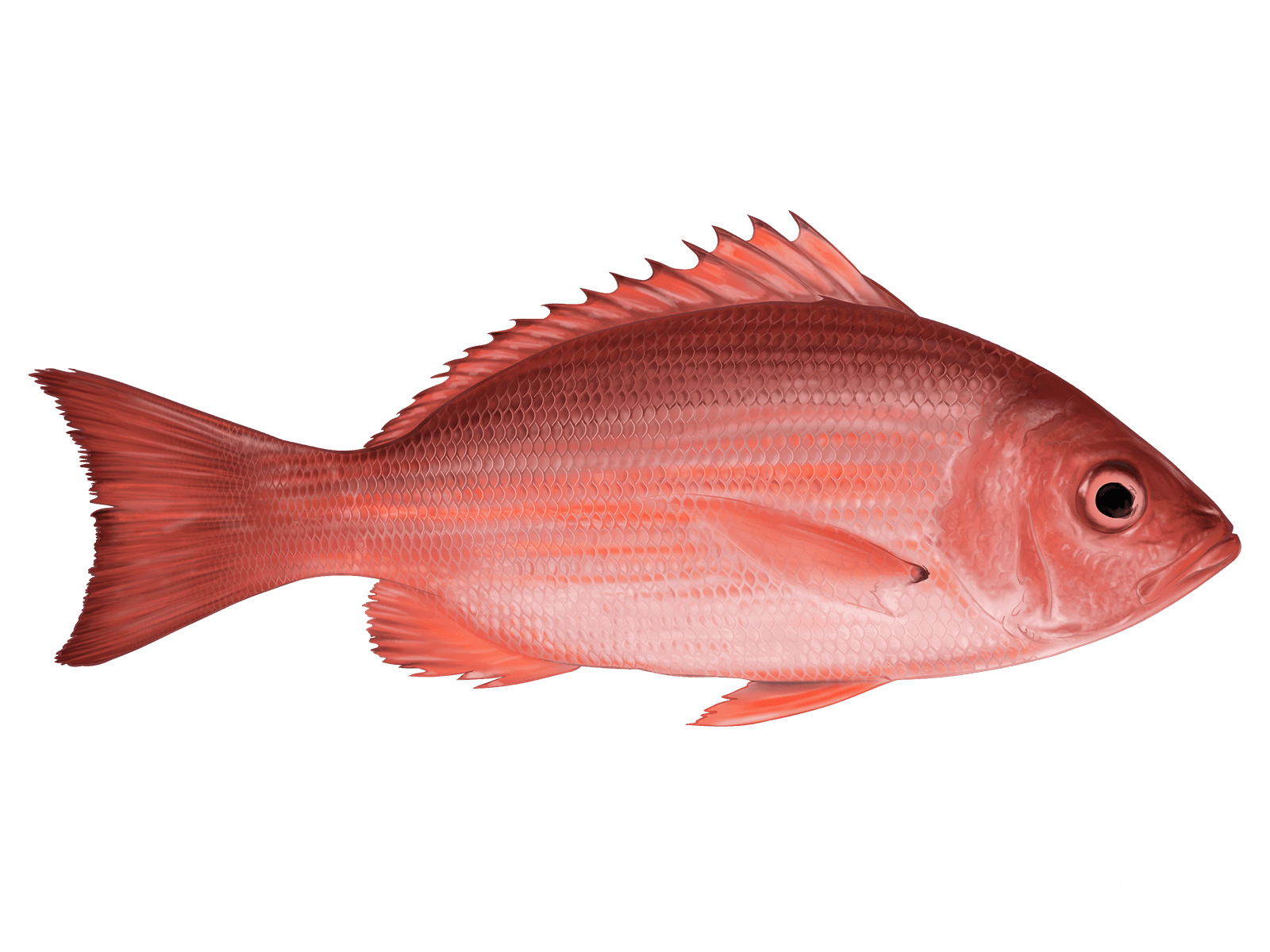
Red Snapper (Lutjanus campechanus) Overview
The Red Snapper, scientifically known as Lutjanus campechanus, belongs to the family Lutjanidae within the order Perciformes. This exceptional gamefish is one of the most sought-after species along the Atlantic coast and throughout the Gulf of Mexico, renowned for its brilliant red coloration, aggressive strike, and exceptional table quality. Red Snapper are true bottom dwellers that transform from pale pink juveniles into deep crimson adults, earning their reputation as trophy catches for both recreational anglers and commercial fisheries. Whether you're planning a fishing adventure in the Gulf of Mexico or exploring coastal waters, understanding this remarkable species will enhance your experience on the water.
Red Snapper Habitat and Distribution
Red Snapper thrive in the deep waters of the Atlantic coast and Gulf of Mexico, typically found at depths ranging from 30 to 620 feet. These fish prefer water temperatures between 50 and 70 degrees Fahrenheit, making them most active during moderate seasonal conditions. Juveniles inhabit shallower inshore areas with muddy bottoms, gradually migrating to deeper waters near structure as they mature. Adult Red Snapper are predominantly found near artificial and natural structures including reefs, wrecks, rocky outcroppings, and debris fields that provide shelter and concentrate forage fish. The Gulf of Mexico remains the primary hotspot for Red Snapper populations, with substantial populations extending down the eastern seaboard. Areas around Louisiana, Texas, and Florida's Gulf coast are particularly productive for encountering these fish.
Red Snapper Size and Weight
Red Snapper demonstrate impressive growth potential, with typical specimens caught by anglers ranging from 19 to 39 inches in length and weighing between 5 to 20 pounds on average. However, these fish can grow considerably larger under optimal conditions, with documented specimens exceeding 3 feet in length and weighing over 35 pounds. The world record Red Snapper weighed an astounding 50 pounds 4 ounces, a legendary catch landed off Louisiana waters in 1966. Most Red Snapper encountered in modern fisheries are between 4 to 6 years old, reflecting current population dynamics and regulatory management. These fish possess remarkable longevity, with lifespans exceeding 20 years, allowing mature individuals to reach exceptional sizes and weights.
Red Snapper Diet and Behavior
Red Snapper are carnivorous bottom feeders with a diverse diet consisting primarily of smaller fish and crustaceans. Their preferred prey includes cigar minnows, pinfish, pigfish, live squid, shrimp, and octopus, reflecting their opportunistic feeding strategy in deep-water environments. These aggressive hunters are most active during dawn and dusk periods, though they feed throughout daylight hours, particularly during slack tide periods when visibility and feeding conditions are optimal. Red Snapper exhibit strong territorial behavior, remaining in proximity to structure and cover where they ambush passing prey. Their reputation as fierce fighters stems from their powerful strikes and determined runs toward nearby cover—a characteristic that makes them exhilarating opponents for anglers. When hooked, Red Snapper will aggressively attempt to reach nearby structure, making rod strength and sharp hooks essential for successful encounters.
Red Snapper Spawning and Seasonal Activity
Red Snapper reach sexual maturity around 5 to 8 years of age, with larger, older females producing substantially greater numbers of eggs than their younger counterparts. A single 24-inch female can produce as many eggs as 212 seventeen-inch females, making size-selective reproduction a critical management consideration. The spawning season extends from May through October, with peak activity occurring during warmer months when water temperatures optimize reproductive success. Fertilized eggs drift to the surface and hatch within approximately one day, with larvae remaining in the planktonic water column before settling into shallow nursery habitats after about one month. As juvenile Red Snapper grow, they gradually migrate to deeper waters where they eventually establish residence near structure in the deep Gulf. This life history transition from shallow nurseries to deep offshore habitats reflects the species' adaptation to distinct environmental zones throughout their development.
Red Snapper Techniques for Observation and Capture
Bottom Fishing with Heavy Rigs: The most effective method for catching Red Snapper involves deploying heavy multi-hook rigs dressed with weights substantial enough to maintain bottom contact in deep water. Electric reels, manual reels, and handlines all prove effective when rigged properly. Bait your hooks with live pinfish, cigar minnows, fresh squid, or live shrimp, then lower your presentation to the bottom where Red Snapper congregate. The key to success lies in keeping your bait at or near bottom structure where these fish feed. Around the Gulf of Mexico's major fishing ports, charter captains utilize GPS and sonar to locate wreck structures and reef systems, deploying rigs precisely over productive bottom. Expect powerful strikes and immediate runs toward cover—maintain steady upward pressure to prevent your line from cutting on structure.
Fly Fishing for Surface-Active Fish: When Red Snapper move shallow or feed near the surface, fly fishing presents an exciting and productive alternative to traditional bottom techniques. Rig an 11 to 13-weight fly line with Clouser minnow or deceiver patterns that mimic local forage species. Some anglers employ chum slicks to concentrate Red Snapper before casting, then strip flies with erratic, natural-looking retrieve patterns. Present your fly to rising fish and work it back toward deeper water with consistent stripping action—Red Snapper will aggressively attack moving flies that resemble fleeing prey species. This technique works particularly well during early morning hours and slack tides when Red Snapper move into shallower water.
Targeting Structure and Seasonal Timing: Success with Red Snapper depends heavily on identifying productive structure and timing your fishing efforts around seasonal patterns. Focus on natural and artificial reefs, shipwrecks, rock formations, and other bottom features that hold concentrated populations. Spring and early summer, when water temperatures warm and spawning activity increases, represent prime fishing seasons. Target dawn and dusk periods when feeding intensity peaks, and plan your trips around slack tide periods when Red Snapper feed most aggressively.
Red Snapper Culinary and Nutritional Value
Red Snapper ranks among the most prized culinary fish, commanding premium prices in seafood markets and restaurants throughout the nation. The flesh features a mild, slightly nutty flavor profile with firm texture that holds up exceptionally well to various cooking methods. Whether baked, pan-fried, grilled, or steamed, Red Snapper delivers outstanding eating experiences that have made it an enduring favorite among seafood enthusiasts. To fully appreciate the delicate natural flavors, many chefs recommend minimal seasoning—simple preparations featuring salt, pepper, and fresh lemon juice allow the fish's inherent qualities to shine. Beyond culinary appeal, Red Snapper offers impressive nutritional benefits, serving as an excellent source of omega-3 fatty acids essential for cardiovascular and cognitive health. The fish is naturally low in calories, high in complete protein, and contains minimal saturated fat, making it an ideal choice for health-conscious diners. Red Snapper provides abundant B12 and vitamin D, along with important minerals including iron and potassium. Regular consumption supports heart health, enhances brain function, boosts immune response, and promotes healthy skin and hair development.
Red Snapper Frequently Asked Questions
Q: What is the best bait for catching Red Snapper?
A: Live pinfish and cigar minnows consistently outperform other bait options, particularly for larger specimens. Fresh squid, live shrimp, pigfish, and octopus also produce excellent results. The key lies in presenting fresh, lively bait on heavy rigs that reach bottom structure where Red Snapper feed. Experiment with combinations to determine what works best in your specific fishing location.
Q: Where can I find Red Snapper fishing opportunities in the Gulf of Mexico?
A: Major fishing ports throughout Louisiana, Texas, and Florida's Gulf coast provide excellent access to Red Snapper populations. Charter services in these areas operate specialized trips targeting deep-water structure. Public fishing piers in coastal communities occasionally offer opportunities during peak seasons, though private boat access typically provides superior fishing success.
Q: Is Red Snapper good to eat?
A: Absolutely—Red Snapper is exceptional table fare featuring mild, slightly nutty flavor and firm white flesh. The fish is highly nutritious, rich in omega-3 fatty acids, and works beautifully with various cooking methods. Most culinary experts recommend simple preparations that highlight natural flavors rather than heavy seasoning.
Q: When is the best time to catch Red Snapper?
A: The spawning season from May through October represents peak activity periods, with summer months typically offering the most consistent fishing. Within each day, dawn and dusk periods produce the most aggressive feeding activity. Slack tides create optimal feeding conditions regardless of season.
Q: How deep do I need to fish for Red Snapper?
A: Red Snapper inhabit depths ranging from 30 to 620 feet, though most productive fishing occurs between 60 and 300 feet. Always check current regulations and use GPS/sonar to identify structure at appropriate depths for your specific fishing area.
Q: What equipment do I need for Red Snapper fishing?
A: Heavy-duty conventional or electric reels paired with sturdy rods rated for deep-water applications work best. Bring quality multi-hook rigs with substantial weights, sharp hooks in appropriate sizes, and durable line rated for the depths and structure you'll encounter. Experienced anglers recommend having backup tackle and extra rigs to maximize fishing time.