Red Snapper and Grouper Fishing Panama City Beach
Gulf Fishing Experience in Panama City Beach - What to Expect

Fishing Charter by Captain Ryan Dauphin in October
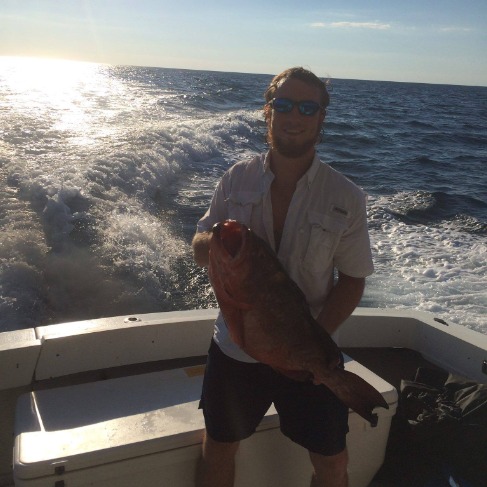
- Get Reel With Panama City Beach Fishing Charters!


Summary
Experience an exciting fishing charter in Panama City Beach on Thursday, October 15th, where you'll target red snapper, grouper, and lane snapper in productive Gulf waters. This guided fishing charter delivers action-packed days with skilled local expertise and plenty of chances to land impressive catches for an unforgettable adventure.
Fishing Charter with Captain Ryan Dauphin - Rates & Booking
Captain Ryan Dauphin of Dauphins Charter Fishing brought in an impressive haul on Thursday, October 15th. This fishing charter targets the abundant species found in Panama City Beach waters, where red snapper, grouper, and lane snapper bite consistently throughout the season. Charter rates and booking details are available directly through Dauphins Charter Fishing to customize your Gulf fishing experience.
When you book your charter, you're getting access to local knowledge and proven fishing grounds that deliver results. Captain Dauphin focuses on sustainable fishing practices while helping guests land quality catches. To check availability and reserve your spot, reach out to Dauphins Charter Fishing in Panama City Beach.
Highlights of Your Gulf Fishing Experience
The real magic happens when you're out on the water targeting Gulf species. Red snapper and grouper are the main attractions here, and the variety keeps things interesting throughout the day. With a experienced captain at the helm, you'll learn productive techniques while enjoying the camaraderie of fellow anglers.
Panama City Beach offers excellent offshore and nearshore fishing opportunities. The structure and reefs attract healthy populations of premium species. You'll spend your day actively fishing in some of the Gulf's most reliable waters, with every rod in the water having a genuine chance at connecting with something impressive.
Local Species Insights: Red Snapper, Grouper, and Lane Snapper
Red snapper are the crown jewels of Gulf fishing. These hard-fighting fish prefer deeper structures and reef areas off Panama City Beach. They're known for aggressive strikes and strong runs, making them incredibly fun to catch. Red snapper typically inhabit depths of 40-200 feet, where they feed on live bait and cut offerings. Their crimson coloring makes them unmistakable, and the firm, white meat makes them popular for the dinner table.
Red grouper is another major player in these waters. Grouper are powerful fish that hold tight to structure and cover. They're bottom-feeders that respond well to live bait presentations. These fish have earned their reputation for tenacious fighting and impressive size. Grouper fishing requires proper technique and patience, but the reward is a serious battle and a great dinner story.
Lane snapper fill out the action with steady bites throughout the day. These smaller cousins of the red snapper are plentiful and aggressive. They provide excellent opportunities for newer anglers to get consistent action while also being delicious table fare. Longfin yellowtail rounds out the mix, adding variety and keeping multiple species in the mix during your charter.
The Gulf waters off Panama City Beach maintain excellent conditions for these species. The offshore reefs, artificial structures, and natural bottom create ideal habitat. Water clarity and temperature cycles support healthy populations throughout the year. Captain Dauphin knows exactly where these fish congregate and when they bite best, which is the real advantage of hiring a local charter operation.
Grey snapper, another species in these waters, provides additional fishing opportunities. These fish are found in slightly shallower areas and respond to the same techniques used for red snapper and grouper. The diversity of species means every angler can find success regardless of experience level.
Plan Your Fishing Day
Your charter day starts early to make the most of productive fishing hours. You'll head out to carefully selected spots based on current conditions and species activity. The boat is equipped with quality fishing gear and safety equipment. With multiple anglers participating, there's a great social element to the experience while staying focused on fishing success.
Expect to spend most of your day actively fishing in Gulf waters. Bring sunscreen, wear comfortable clothes, and be ready for an active day on the water. The professional crew handles navigation and fish-fighting tips, so you can focus on enjoying the experience and learning from experienced local fishermen.
Fishing in Panama City Beach: Longfin Yellowtail, Grey Snapper, Lane Snapper, Red Snapper and Red Grouper

Longfin Yellowtail Overview
The Longfin Yellowtail, scientifically known as Seriola rivoliana, belongs to the family Carangidae and order Carangiformes, making it a close relative of other jack species found in deep offshore waters worldwide. Also called the Almaco Jack, this striking game fish is instantly recognizable by its dusky brown to silvery blue-green dorsal coloring accented with an amber lateral stripe running along its side. What truly sets the Longfin Yellowtail apart from other jacks is its flattened body profile and those characteristic elongated dorsal and anal fins with distinctive sickle-shaped outer edges. Anglers and dive enthusiasts from tropical and temperate regions prize this species not only for its incredible fighting ability but also for the unique encounters—legend has it that curious Longfin Yellowtail will sometimes brush against divers, mistaking them for sharks in search of parasite relief. This benthopelagic beauty is found schooling in small groups across global waters, making it a bucket-list target for serious offshore fishermen.
Longfin Yellowtail Habitat and Distribution
The Longfin Yellowtail thrives as a benthopelagic species in both temperate and tropical waters, typically swimming at depths ranging from 16 to 524 feet in open ocean zones beyond the continental shelf. This fish shows a strong preference for structural features such as wrecks, seamounts, and rocky outcrops where prey congregates and where they can ambush with their lightning-fast strikes. Geographically, the Longfin Yellowtail's range spans from the Indian Ocean through the West Pacific, with established populations in South Africa, the Mariana Islands, Wake Island, the Ryukyu Islands, Kermadec Islands, and New Caledonia. In the eastern Pacific, they range from California down through Peru and around the Galápagos Islands, offering excellent opportunities for offshore anglers along the American west coast. The western Atlantic population extends from Cape Cod to Argentina, though they are less common along the Carolinas; rare sightings have been documented in the eastern Atlantic, including British waters and near Lampedusa in the Mediterranean Sea. Their global distribution makes them accessible to diverse angling communities, though offshore expertise is essential for successful encounters.
Longfin Yellowtail Size and Weight
Most commonly encountered Longfin Yellowtail specimens measure approximately 35 inches in length and weigh between 10 to 20 pounds, making them ideal targets for anglers seeking a manageable yet powerful fight. However, these fish can grow considerably larger, with exceptional individuals reaching up to 60 inches and tipping the scales at an impressive 130 pounds. The larger specimens, while thrilling to hook, are often released by experienced anglers due to the increased risk of ciguatera toxin accumulation—a concern that doesn't diminish the species' reputation as a formidable game fish but rather encourages sustainable catch-and-release practices. The variation in size among populations is likely influenced by food availability, water temperature, and fishing pressure in different regions, meaning that anglers exploring new offshore territories may encounter specimens within the full spectrum of this size range.
Longfin Yellowtail Diet and Behavior
As a carnivorous apex predator of the deep, the Longfin Yellowtail feeds voraciously both day and night, displaying the aggressive hunting behavior that has earned it legendary status among sport fishers. This fast-moving hunter primarily targets bony fishes and baitfish, supplementing its diet with invertebrates such as squid and shrimp—a dietary preference that directly informs successful angling strategies. The species exhibits bold, inquisitive behavior, often approaching anglers and divers without hesitation; in fact, their tendency to brush against sharks (and occasionally unsuspecting divers) to remove parasitic skin infections reveals just how confident and interactive these fish truly are. Their continuous feeding patterns mean that at any given time, a hungry Longfin Yellowtail lurking near a wreck or reef structure is a legitimate opportunity, though early morning and late afternoon periods often produce heightened activity. Schools tend to remain relatively small and tight-knit, adding an element of selectivity to the angling experience—when you locate one group, you've found your target.
Longfin Yellowtail Spawning and Seasonal Activity
One of the most remarkable behaviors of the Longfin Yellowtail is its year-round spawning capability, with this species reported to reproduce throughout the entire calendar year and potentially as frequently as once per week. This continuous spawning cycle, unusual among many fish species, means that actively feeding fish can be encountered in virtually any season, making the Longfin Yellowtail a reliable offshore target regardless of when you plan your trip. The species' ability to sustain such frequent reproductive cycles suggests robust populations and consistent food availability in their preferred habitats, though specific seasonal concentrations may still vary by geographic region. Anglers planning offshore expeditions should consult with local charter operators and guides to identify peak activity windows in their target area, as water temperature fluctuations and baitfish migrations can influence where and when the largest congregations occur.
Longfin Yellowtail Techniques for Observation and Capture
Deep Jigging and Yo-Yo Technique: When targeting Longfin Yellowtail in offshore waters, deep jigging with the yo-yo method proves exceptionally effective, especially when using lures and jigs that match the color profile of local baitfish or blend seamlessly with the surrounding water conditions. Premium brands such as Sumo, Tady, and Salas produce specialized jigs engineered for this application. A typical Penn Jigmaster 500 reel paired with a quality rod provides the strength and precision needed to work depths where these fish congregate. The key is to maintain a rhythmic vertical motion, allowing the lure to flutter downward before snapping it back up—a pattern that mimics wounded prey and triggers aggressive strikes from passing predators. Around popular offshore fishing destinations like Southern California or the Gulf of Mexico, experienced charter captains have dialed in specific lure colors and sizes that dominate their local populations.
Live Bait Trolling and Drift Fishing: Trolling with live baitfish or engaging in methodical drift fishing over known wreck sites and continental shelf structures produces consistent results for Longfin Yellowtail anglers. When drifting, positioning your boat to work structure-rich zones allows natural current flow to present your bait naturally while covering more water. Live squid, shrimp, spoons, and plugs all generate reliable strikes; vary your offerings based on what local tackle shops recommend for your specific fishing grounds. The species' non-selective feeding behavior and willingness to investigate moving targets makes trolling an efficient approach for covering large offshore areas.
Jigging and Chumming Strategies: Combining jigging with strategic chumming creates a devastating combination, as the scent plume attracts distant fish while the active jig or plug triggers feeding responses. Bottom bouncing—carefully working your presentation along sandy or rocky seafloor—can yield impressive catches, as can still fishing when anchored near proven structure. Charter operators across coastal regions from California to the Caribbean routinely employ these hybrid methods to consistently deliver clients exciting encounters with this species.
Longfin Yellowtail Culinary and Utilization Notes
The culinary appeal of the Longfin Yellowtail lies in its dense, thick flesh that remarkably resembles white albacore when prepared raw, making it a prized selection for sushi and sashimi enthusiasts who appreciate its firm texture and subtle oceanic flavor. Smaller specimens are particularly desirable for consumption, as larger Longfin Yellowtail carry higher ciguatera risk—a toxin that accumulates in larger predatory fish and can cause serious illness if ingested. This nutritional concern has naturally encouraged the catch-and-release ethos among serious anglers who value the fight over the table fare. When preparing smaller fish, raw preparations showcase the meat at its finest; however, grilling or baking in foil alongside fresh vegetables yields equally delectable results with complementary flavors. Cooks universally recommend avoiding frying, as the dense flesh tends to trap oil, resulting in an undesirable texture. For optimal flavor and food safety, consumption should occur within three days of capture, though proper freezing and vacuum-sealing methods preserve quality for extended periods, making it feasible to enjoy your catch long after returning from an offshore expedition.
Longfin Yellowtail Frequently Asked Questions
Q: What is the best bait and lure selection for targeting Longfin Yellowtail?
A: Live squid, shrimp, spoons, jigs, and plugs consistently produce strikes. Match lure colors to local baitfish populations or water clarity conditions, and premium brands like Sumo, Tady, and Salas are trusted by experienced offshore anglers for reliability and fish-attracting design.
Q: What fishing techniques work best for Longfin Yellowtail in offshore environments?
A: Drift fishing, deep jigging (particularly the yo-yo technique), chumming, bottom bouncing, and still fishing all produce results. A typical Penn Jigmaster 500 paired with a quality rod handles this strong species effectively, and working depths between 16 and 524 feet near wrecks and structure yields the highest success rates.
Q: Where can I find Longfin Yellowtail in the most accessible locations?
A: Offshore regions along California, the Gulf of Mexico, and southern Atlantic states offer consistent populations. Chartered offshore vessels departing from major coastal ports provide guided access to proven fishing grounds where local captains maintain intimate knowledge of productive structure and seasonal patterns.
Q: Is the Longfin Yellowtail good to eat, and are there any safety concerns?
A: Yes, smaller Longfin Yellowtail offer excellent eating with dense, sushi-grade flesh similar to white albacore. However, larger specimens accumulate ciguatera toxin, making them unsafe for consumption—a reality that reinforces catch-and-release practices among conservation-minded anglers who prize the fighting experience over table utility.
Q: When is the best time to fish for Longfin Yellowtail?
A: Since this species spawns year-round and feeds continuously, viable angling opportunities exist throughout all seasons. Early morning and late afternoon periods typically coincide with heightened feeding activity, though consulting local charter operators about regional seasonal peaks will optimize your offshore adventure.
Q: What makes Longfin Yellowtail such an exciting game fish?
A: Their aggressive nature, powerful strikes, incredible speed, and willingness to engage with anglers without hesitation make them legendary offshore targets. Unlike many deep-water species that require specialized tactics, the Longfin Yellowtail actively pursues presentations and delivers the kind of adrenaline-pumping fight that keeps anglers returning to offshore fishing destinations year after year.
Grey Snapper Overview
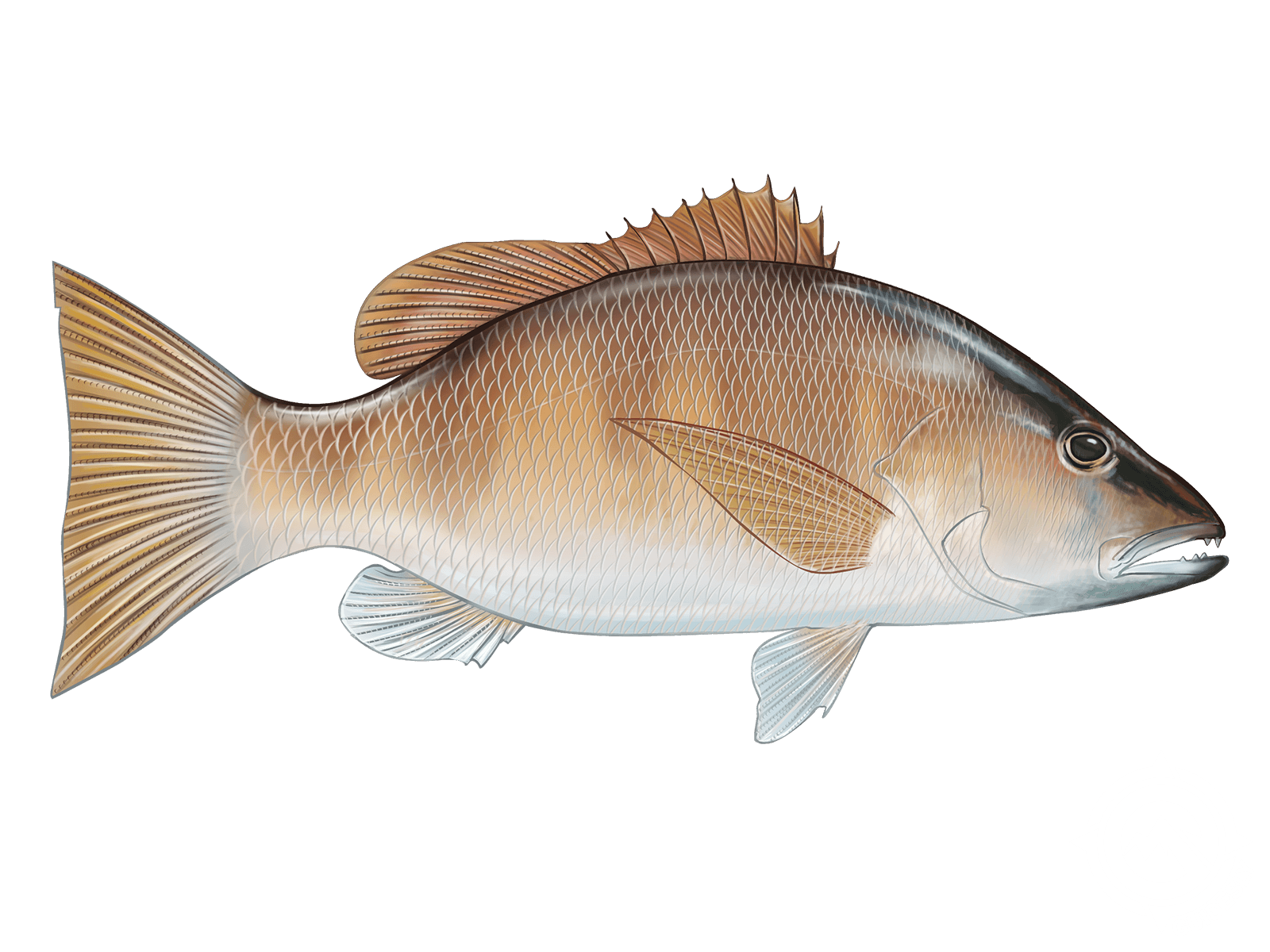
The Grey Snapper, scientifically known as Lutjanus Griseus and commonly called the Mangrove Snapper, is a member of the Lutjanidae family within the order Perciformes. This remarkable fish is instantly recognizable by its striking greyish-red coloration that transitions from copper-red to brilliant red, along with a distinctive dark stripe running across its eye. With a pointed snout, thin lips, and small teeth, the Grey Snapper is one of the most abundant snapper species and a favorite among anglers and seafood enthusiasts alike. Found throughout warm to temperate waters from coastal reefs to mangrove-lined backcountry, this swift, nocturnal hunter is native to regions where it thrives as an opportunistic predator, making it a fascinating subject for both observation and fishing experiences.
Grey Snapper Habitat and Distribution
Grey Snappers are creatures of structure and cover, preferring environments rich with natural and artificial obstacles. They inhabit canals, grass flats, mangrove forests, rocky outcrops, shipwrecks, and debris fields in warm to temperate waters. These fish are distributed across onshore and nearshore reef systems, backcountry flats, rivers, and lakes where water conditions remain stable and prey is abundant. The species thrives in areas with strong water columns and complex bottom structures that provide ideal ambush points for their opportunistic hunting style. Whether you're exploring shallow backcountry regions or deeper reef systems, Grey Snappers are likely to be present in any location offering adequate cover and consistent food sources.
Grey Snapper Size and Weight
While Grey Snappers typically measure between 10 to 14 inches and weigh 1 to 2 pounds when found inshore, they can achieve significantly larger proportions in open water environments. Specimens caught offshore commonly reach weights of 20 pounds, though inshore fishing typically yields catches of 3 to 4 pounds. The size range for notable catches generally falls between 30 to 35 inches in length, with weights reaching up to 8 pounds in productive fishing waters. Juvenile Grey Snappers tend to display darker coloration than their adult counterparts, making them visually distinct at different life stages.
Grey Snapper Diet and Behavior
As opportunistic carnivores, Grey Snappers display flexible feeding habits and are most active during nighttime hours. Young specimens congregate near seagrass beds where they feast on a variety of crustaceans and smaller fish, while juveniles and adults alike will consume zooplankton when available. Their diet becomes increasingly piscine as they mature, focusing primarily on small fish and crustaceans. These swift swimmers are not aggressive toward humans but are highly effective ambush predators, using their speed and structural cover to seize feeding opportunities. The nocturnal nature of Grey Snappers means they feed and move most actively after sunset, making them particularly responsive to nighttime fishing efforts.
Grey Snapper Spawning and Seasonal Activity
Grey Snappers display remarkable reproductive behavior, spawning millions of eggs during full moon periods. This synchronized spawning pattern contributes to their status as the most abundant species within their genus, ensuring healthy population numbers across their range. The lunar-driven spawning cycle means that fishing success can vary depending on moon phases, with some anglers noting increased activity and feeding before and after major spawning events. Understanding these seasonal patterns can significantly enhance your chances of successful encounters with this prolific species.
Grey Snapper Techniques for Observation and Capture
Live Bait Method (Primary Technique): The most effective approach for catching Grey Snappers involves using live bait, particularly live shrimp or mud minnows. Thread your line through a bobber and tie it to a 4J hook, ensuring your line can withstand abrasion. Insert the hook through the tail of your shrimp rather than the head to maximize bait longevity. Allow your bait to sink to the bottom, then reel up slightly to prevent snagging. Position yourself at beach piers, docks, or near water column structures where Grey Snappers congregate. Since these fish are opportunistic hunters, avoid excessive bobbing or movement that might deter them. Wait patiently for a tug, then reel steadily to set the hook before slowly bringing your catch to the surface.
Structural Fishing (Secondary Technique): Target mangrove forests, rocky reefs, shipwrecks, and debris fields during both day and night. In open water, allow your bait to sink deep into reef systems to draw out larger specimens. The complex structure provides the cover these ambush predators prefer. Cast near pilings, undercut banks, and fallen trees in river and lake environments.
Timing and Location Insight: Around popular fishing destinations in coastal Florida and throughout the Gulf region, evening and night fishing during full moon periods often produces exceptional results. Early morning hours before sunrise also yield productive catches as nocturnal feeders transition back to deeper resting areas.
Grey Snapper Culinary and Utilization Notes
The Grey Snapper has earned a stellar reputation among seafood enthusiasts for its exceptional table qualities. The meat is prized for being white, flaky, and tender with a mild, delicate flavor that appeals to diverse palates. Rich in high-quality protein and omega-3 fatty acids, this snapper provides excellent nutritional value. The species' culinary popularity combined with its abundance makes it both a sustainable and delicious choice for coastal dining. Whether grilled whole, filleted and pan-seared, or prepared in traditional fish stews, the Grey Snapper delivers consistent culinary satisfaction.
Grey Snapper Frequently Asked Questions
Q: What is the best bait for catching Grey Snappers?
A: Live shrimp rigged through the tail and live mud minnows are the top choices recommended by experienced anglers. The key is keeping your bait alive and naturally presented near the bottom where these opportunistic hunters patrol.
Q: Where can I find Grey Snappers in coastal waters?
A: Look for them around mangrove forests, grass flats, rocky reefs, pilings, docks, and shipwrecks. In backcountry environments, structure is your best indicator of Grey Snapper presence. Around Florida's Gulf Coast and throughout southern coastal regions, these habitats consistently hold productive populations.
Q: Is the Grey Snapper good to eat?
A: Absolutely. The Grey Snapper is highly regarded for its white, flaky, tender meat with a mild flavor. It's an excellent eating fish with good nutritional value, making it a favorite among both recreational and commercial fishermen.
Q: When is the best time to catch Grey Snappers?
A: While Grey Snappers are active throughout the year, they are primarily nocturnal feeders, making evening, night, and early morning hours most productive. Full moon periods trigger spawning and often increase feeding activity, making them excellent target dates for fishing trips.
Q: How do I distinguish a Grey Snapper from a Cubera Snapper?
A: Open the fish's mouth and examine the tooth patch. Grey Snappers have a triangular-shaped tooth patch without extensions, while Cubera Snappers display an arrow-shaped patch with extensions. This distinctive difference is the most reliable identification method.
Q: What makes Grey Snappers different from other snapper species?
A: Beyond their unique tooth structure, Grey Snappers are distinguished by their greyish-red coloration, dark eye stripe, pointed snout, and thin lips. They're also more abundant than most other snapper species and prefer shallower, structure-rich environments like mangrove forests and grass flats.
Lane Snapper Overview
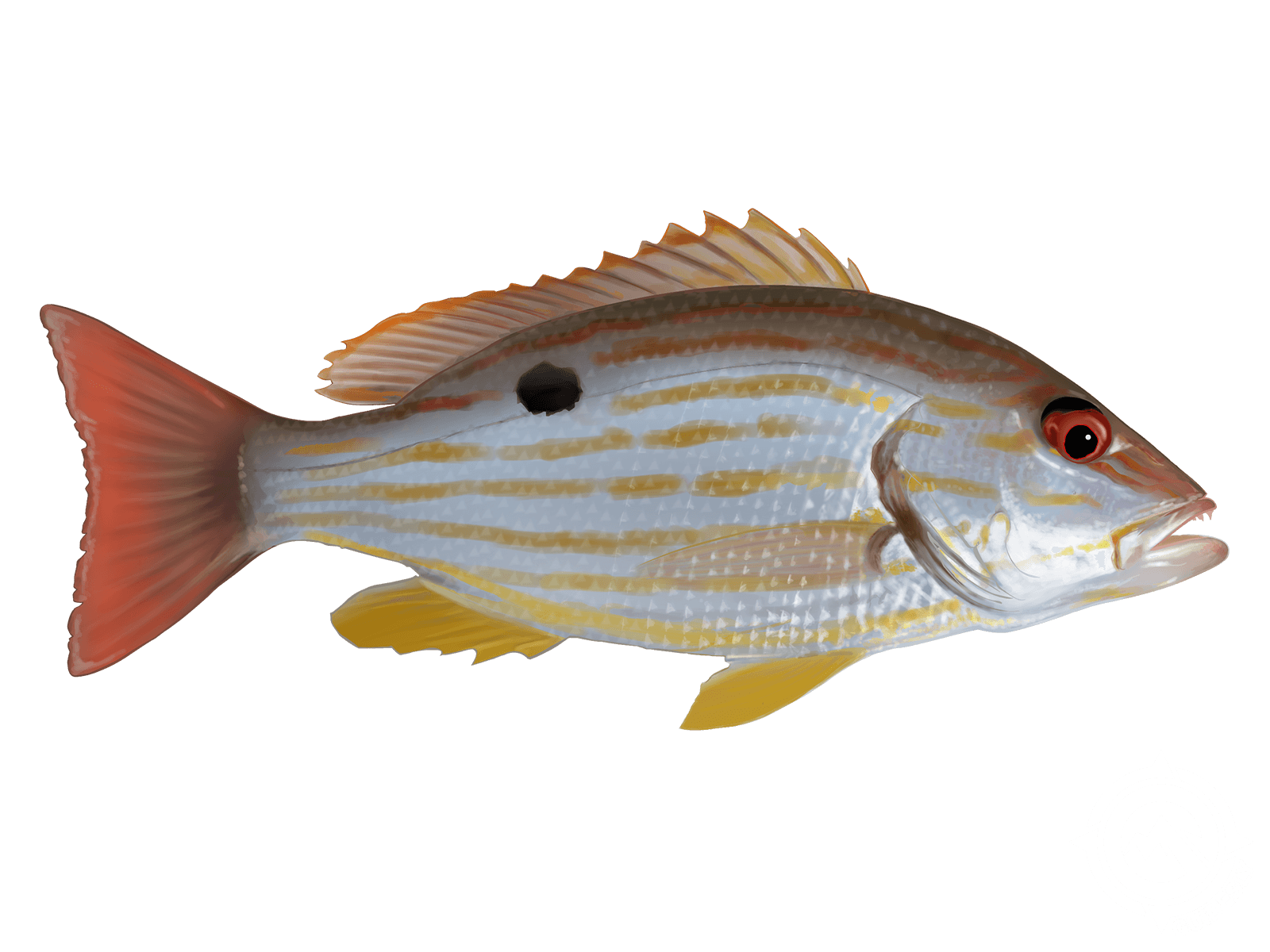
The Lane Snapper (Lutjanus synagris) is a vibrant and spirited member of the Lutjanidae family within the order Perciformes. This almond-shaped coral fish gets its name from the striking pink and yellow lines that run along its silver body, resembling colorful candy cane stripes or traffic lanes. Found throughout the western Atlantic Ocean from North Carolina down to Brazil, the Lane Snapper is a favorite among both recreational anglers and seasoned fishermen seeking an exciting catch with good food value. Known for their aggressive nature and willingness to strike, these fish are often referred to as a "dessert fish" by locals because they frequently end up in coolers as delightful bonuses when anglers are targeting red snappers and other species. What makes this species particularly fascinating is their documented ability to hybridize with closely related species like the Yellowtail Snapper, suggesting a genetic similarity that scientists continue to study with great interest.
Lane Snapper Habitat and Distribution
Lane Snappers thrive in diverse marine environments throughout the western Atlantic, with their range stretching from the coastal waters of North Carolina through the Gulf of Mexico, down the Caribbean, and as far south as Brazil. Higher population concentrations are typically found in the Antilles off the Panama Coast and along the northern coast of South America, making these regions prime destinations for fishing expeditions. Adult Lane Snappers generally remain in the same territory for their entire lifespan, showing strong site fidelity to their preferred hunting grounds. While these fish have been recorded at depths reaching 1,300 feet in offshore waters, they most commonly thrive between 69 and 230 feet of water. Larger specimens tend to congregate in relatively shallow waters, though they become less abundant in these areas. Their preferred habitats include coral reefs and sandy bottoms abundant with vegetation, where they can hunt effectively for prey. They adapt well to both pristine and murky water conditions, making them accessible to anglers in various coastal and nearshore environments. The species also inhabits the waters around Bermuda and throughout the Gulf of Mexico, providing excellent opportunities for targeting them across a wide geographic range.
Lane Snapper Size and Weight
Lane Snappers are generally modest in size compared to larger snapper species, typically ranging from 10 to 24 inches in length, with most fish averaging around 20 inches. While they're not considered trophy fish in the traditional sense, their spirited fighting ability makes them exciting quarry regardless of size. Weight-wise, these fish generally tip the scales at a minimum of 3 pounds, with average catches hovering around 7 pounds. The current world record for a Lane Snapper stands at an impressive 8 pounds and 3 ounces, a benchmark that motivates many anglers seeking their personal best. These size ranges make them excellent table fare as well—large enough to provide a satisfying meal yet small enough to handle with standard fishing equipment and coolers. Their compact but powerful build contributes to their reputation as scrappy fighters when hooked.
Lane Snapper Diet and Behavior
Lane Snappers are carnivorous bottom feeders with a diverse and opportunistic diet that reflects their aggressive hunting style. Their primary prey includes small crustaceans such as swimming crabs, mantis shrimp, rock shrimp, and freshwater shrimp, along with mollusks, snails, smaller fish species, and cutlassfish. These fish typically feed along the ocean floor, using their keen senses to locate movement and vibrations from potential meals. They are primarily nocturnal feeders, showing increased feeding activity during evening and nighttime hours, which is crucial information for anglers planning their fishing trips. Their behavior is notably less wary than many other game fish species—they don't hesitate to strike at hooks and lines with enthusiasm, though once hooked they put up a spirited battle that keeps anglers engaged. Lane Snappers often school together, particularly around structure like coral reefs and vegetated sandy areas, increasing the likelihood of multiple catches in productive zones. Their aggressive temperament and willingness to feed consistently throughout the day make them relatively easy to target compared to more cautious species.
Lane Snapper Spawning or Seasonal Activity
The spawning season for Lane Snappers extends from March through September, with activity intensifying during these warmer months when water temperatures are optimal for reproduction. Fish generally reach sexual maturity and reproductive readiness at around 6 inches in length, considerably smaller than their adult size. During the breeding season, anglers can expect to find Lane Snappers in large congregations, increasing the odds of successful catches significantly. The spawning mechanism involves eggs that drift freely in water currents, with remarkably rapid hatching occurring within just 23 hours of fertilization. This extended spawning period, spanning seven months of the year, means that productive fishing windows remain open for much of the warmer season. Understanding this seasonal pattern helps anglers plan trips during peak abundance periods when numbers are highest and feeding activity is most aggressive.
Lane Snapper Techniques for Observation or Capture
Method 1: Hook and Line with Live Bait
The most effective and popular technique for catching Lane Snappers involves traditional hook and line fishing with live or fresh-frozen baits. Optimal bait choices include live or dead shrimp, squid, fresh-cut bait, and small minnows—all of which readily entice these aggressive feeders. Target areas around coral reefs and vegetated sandy bottoms in inshore and nearshore waters, positioning yourself over structure where snappers naturally congregate. Fish during evening and nighttime hours when feeding activity peaks, or time your trips during the March-through-September spawning season when populations are densest. Use standard-weight casting or spinning gear suitable for bottom fishing, dropping your baited rig to depths between 69 and 230 feet where Lane Snappers most commonly hunt. Around Florida's Gulf Coast and the Caribbean islands, the combination of coral reefs and sandy structure near passes and drop-offs consistently produces excellent results.
Method 2: Synthetic Lures and Jigging
While live bait remains the primary choice, Lane Snappers also respond well to artificial lures, particularly small jigs and soft plastic baits that mimic their natural prey. Cast or jig these lures near coral head structures and along sandy bottom transitions where snappers patrol for food. This method works particularly well during peak feeding times and allows for more active fishing that covers larger areas. The aggressive nature of Lane Snappers means they strike decisively at moving targets, providing good odds for successful hook-ups when you locate productive zones.
Method 3: Night Fishing During Breeding Season
Capitalize on their nocturnal feeding behavior and spawning season congregation by planning night fishing expeditions from March through September. Use lights to attract baitfish and smaller organisms that snappers feed upon, which naturally draws the larger predators to your fishing location. Position yourself in nearshore waters between 69 and 230 feet deep over structure, keeping in mind that Lane Snappers often congregate in large numbers during these months.
Lane Snapper Culinary or Utilization Notes
Lane Snappers are considered good eating with firm, white flesh that takes well to various cooking methods. The food quality is rated as good odds, making them a worthwhile catch for anglers interested in fresh seafood. Their modest size of 7-8 pounds on average provides ideal portions for a family meal or small group feast. The flesh has a mild, slightly sweet flavor that appeals to most palates, making them excellent candidates for grilling, baking, pan-searing, or frying. Sustainability-wise, while they're not currently listed as endangered, practicing catch-and-release for smaller specimens and adhering to local regulations ensures continued healthy populations for future generations. Their versatility in the kitchen and consistent availability make them a staple target for culinary-minded anglers throughout their range.
Lane Snapper Frequently Asked Questions
Q: What is the best bait for catching Lane Snappers?
A: Live or fresh-frozen shrimp, squid, cut bait, and small minnows are all highly effective choices. Lane Snappers respond aggressively to these baits, particularly when presented on the ocean floor near coral reefs and vegetated sandy areas. The species is not particularly selective, making bait fishing highly productive compared to many other snapper species.
Q: Where can I find Lane Snappers near popular fishing destinations?
A: Lane Snappers are abundant throughout the Caribbean, Gulf of Mexico, and along the Florida coast, particularly around Bermuda and throughout the Antilles. Focus on inshore and nearshore coral reef structures in depths between 69 and 230 feet. Local fishing charters and bait shops in major ports can provide current information on productive zones and recent catches in your specific area.
Q: Is the Lane Snapper good to eat?
A: Yes, absolutely! Lane Snappers provide good-quality table fare with firm, white flesh that has a mild, slightly sweet flavor. Their average size of 7-8 pounds provides excellent portions for cooking, and they take well to grilling, baking, pan-searing, and frying. Many anglers specifically target them for both the fight and the meal.
Q: When is the best time to catch Lane Snappers?
A: The spawning season from March through September offers the best odds, as fish congregate in large numbers during these warmer months. Within each day, nighttime and evening hours produce the most aggressive feeding activity. Early morning hours just after sunrise can also be productive, though nighttime fishing typically yields superior results.
Q: Why are Lane Snappers called "dessert fish"?
A: This nickname refers to their frequent appearance as pleasant bonus catches when anglers are targeting other species like red snappers, grouper, and squid. They're not usually the primary target but rather an unexpected treat that ends up in the cooler—hence the dessert reference.
Q: Can Lane Snappers hybridize with other species?
A: Yes, Lane Snappers are known to cross-breed with Yellowtail Snappers and other closely related species, with documented hybrid catches occurring repeatedly. This genetic compatibility suggests that these species share more similarities than previously believed, and these hybrids are occasionally encountered by anglers fishing in overlapping habitats.
Red Snapper (Lutjanus campechanus) Overview
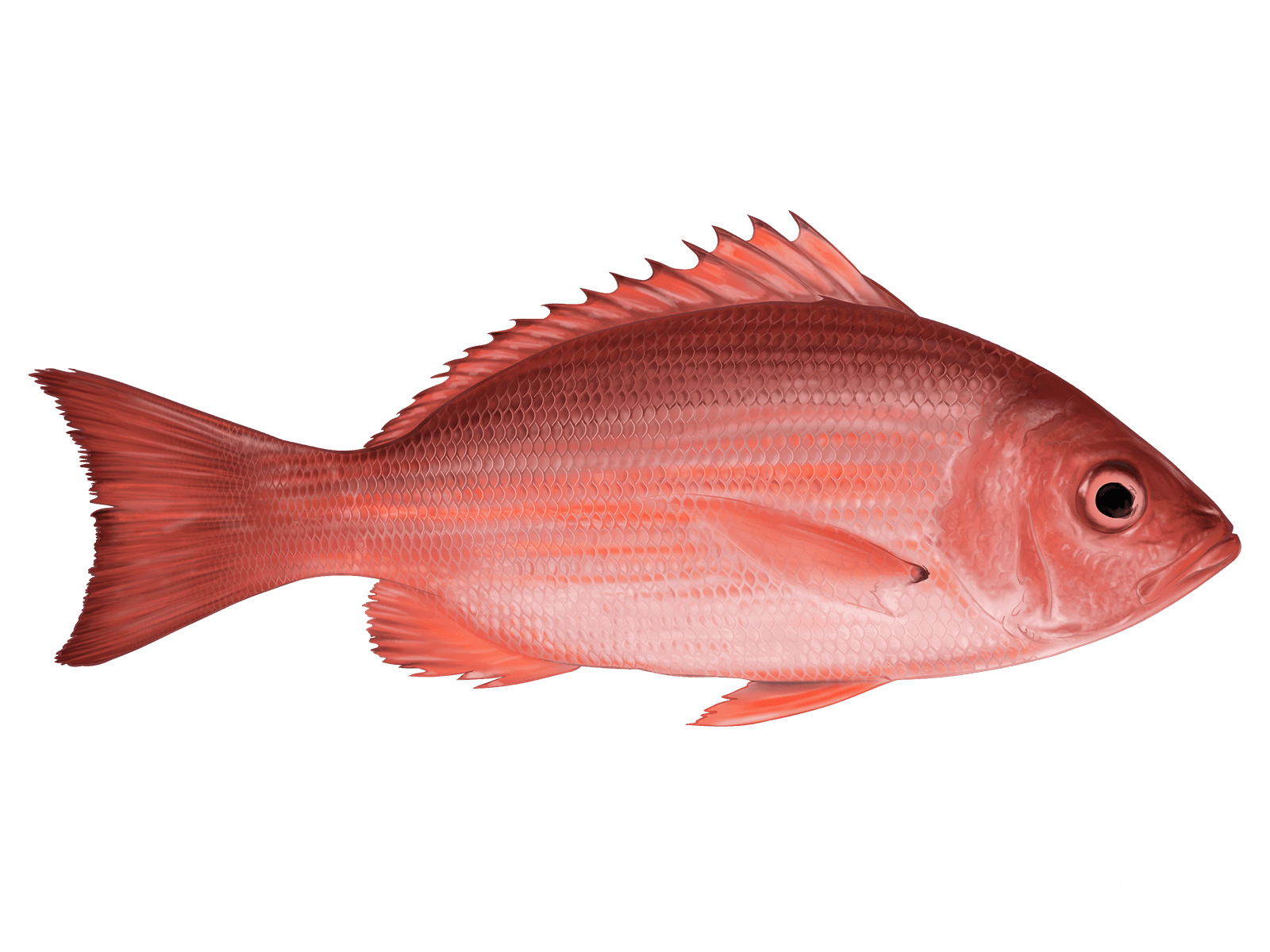
The Red Snapper, scientifically known as Lutjanus campechanus, belongs to the family Lutjanidae within the order Perciformes. This exceptional gamefish is one of the most sought-after species along the Atlantic coast and throughout the Gulf of Mexico, renowned for its brilliant red coloration, aggressive strike, and exceptional table quality. Red Snapper are true bottom dwellers that transform from pale pink juveniles into deep crimson adults, earning their reputation as trophy catches for both recreational anglers and commercial fisheries. Whether you're planning a fishing adventure in the Gulf of Mexico or exploring coastal waters, understanding this remarkable species will enhance your experience on the water.
Red Snapper Habitat and Distribution
Red Snapper thrive in the deep waters of the Atlantic coast and Gulf of Mexico, typically found at depths ranging from 30 to 620 feet. These fish prefer water temperatures between 50 and 70 degrees Fahrenheit, making them most active during moderate seasonal conditions. Juveniles inhabit shallower inshore areas with muddy bottoms, gradually migrating to deeper waters near structure as they mature. Adult Red Snapper are predominantly found near artificial and natural structures including reefs, wrecks, rocky outcroppings, and debris fields that provide shelter and concentrate forage fish. The Gulf of Mexico remains the primary hotspot for Red Snapper populations, with substantial populations extending down the eastern seaboard. Areas around Louisiana, Texas, and Florida's Gulf coast are particularly productive for encountering these fish.
Red Snapper Size and Weight
Red Snapper demonstrate impressive growth potential, with typical specimens caught by anglers ranging from 19 to 39 inches in length and weighing between 5 to 20 pounds on average. However, these fish can grow considerably larger under optimal conditions, with documented specimens exceeding 3 feet in length and weighing over 35 pounds. The world record Red Snapper weighed an astounding 50 pounds 4 ounces, a legendary catch landed off Louisiana waters in 1966. Most Red Snapper encountered in modern fisheries are between 4 to 6 years old, reflecting current population dynamics and regulatory management. These fish possess remarkable longevity, with lifespans exceeding 20 years, allowing mature individuals to reach exceptional sizes and weights.
Red Snapper Diet and Behavior
Red Snapper are carnivorous bottom feeders with a diverse diet consisting primarily of smaller fish and crustaceans. Their preferred prey includes cigar minnows, pinfish, pigfish, live squid, shrimp, and octopus, reflecting their opportunistic feeding strategy in deep-water environments. These aggressive hunters are most active during dawn and dusk periods, though they feed throughout daylight hours, particularly during slack tide periods when visibility and feeding conditions are optimal. Red Snapper exhibit strong territorial behavior, remaining in proximity to structure and cover where they ambush passing prey. Their reputation as fierce fighters stems from their powerful strikes and determined runs toward nearby cover—a characteristic that makes them exhilarating opponents for anglers. When hooked, Red Snapper will aggressively attempt to reach nearby structure, making rod strength and sharp hooks essential for successful encounters.
Red Snapper Spawning and Seasonal Activity
Red Snapper reach sexual maturity around 5 to 8 years of age, with larger, older females producing substantially greater numbers of eggs than their younger counterparts. A single 24-inch female can produce as many eggs as 212 seventeen-inch females, making size-selective reproduction a critical management consideration. The spawning season extends from May through October, with peak activity occurring during warmer months when water temperatures optimize reproductive success. Fertilized eggs drift to the surface and hatch within approximately one day, with larvae remaining in the planktonic water column before settling into shallow nursery habitats after about one month. As juvenile Red Snapper grow, they gradually migrate to deeper waters where they eventually establish residence near structure in the deep Gulf. This life history transition from shallow nurseries to deep offshore habitats reflects the species' adaptation to distinct environmental zones throughout their development.
Red Snapper Techniques for Observation and Capture
Bottom Fishing with Heavy Rigs: The most effective method for catching Red Snapper involves deploying heavy multi-hook rigs dressed with weights substantial enough to maintain bottom contact in deep water. Electric reels, manual reels, and handlines all prove effective when rigged properly. Bait your hooks with live pinfish, cigar minnows, fresh squid, or live shrimp, then lower your presentation to the bottom where Red Snapper congregate. The key to success lies in keeping your bait at or near bottom structure where these fish feed. Around the Gulf of Mexico's major fishing ports, charter captains utilize GPS and sonar to locate wreck structures and reef systems, deploying rigs precisely over productive bottom. Expect powerful strikes and immediate runs toward cover—maintain steady upward pressure to prevent your line from cutting on structure.
Fly Fishing for Surface-Active Fish: When Red Snapper move shallow or feed near the surface, fly fishing presents an exciting and productive alternative to traditional bottom techniques. Rig an 11 to 13-weight fly line with Clouser minnow or deceiver patterns that mimic local forage species. Some anglers employ chum slicks to concentrate Red Snapper before casting, then strip flies with erratic, natural-looking retrieve patterns. Present your fly to rising fish and work it back toward deeper water with consistent stripping action—Red Snapper will aggressively attack moving flies that resemble fleeing prey species. This technique works particularly well during early morning hours and slack tides when Red Snapper move into shallower water.
Targeting Structure and Seasonal Timing: Success with Red Snapper depends heavily on identifying productive structure and timing your fishing efforts around seasonal patterns. Focus on natural and artificial reefs, shipwrecks, rock formations, and other bottom features that hold concentrated populations. Spring and early summer, when water temperatures warm and spawning activity increases, represent prime fishing seasons. Target dawn and dusk periods when feeding intensity peaks, and plan your trips around slack tide periods when Red Snapper feed most aggressively.
Red Snapper Culinary and Nutritional Value
Red Snapper ranks among the most prized culinary fish, commanding premium prices in seafood markets and restaurants throughout the nation. The flesh features a mild, slightly nutty flavor profile with firm texture that holds up exceptionally well to various cooking methods. Whether baked, pan-fried, grilled, or steamed, Red Snapper delivers outstanding eating experiences that have made it an enduring favorite among seafood enthusiasts. To fully appreciate the delicate natural flavors, many chefs recommend minimal seasoning—simple preparations featuring salt, pepper, and fresh lemon juice allow the fish's inherent qualities to shine. Beyond culinary appeal, Red Snapper offers impressive nutritional benefits, serving as an excellent source of omega-3 fatty acids essential for cardiovascular and cognitive health. The fish is naturally low in calories, high in complete protein, and contains minimal saturated fat, making it an ideal choice for health-conscious diners. Red Snapper provides abundant B12 and vitamin D, along with important minerals including iron and potassium. Regular consumption supports heart health, enhances brain function, boosts immune response, and promotes healthy skin and hair development.
Red Snapper Frequently Asked Questions
Q: What is the best bait for catching Red Snapper?
A: Live pinfish and cigar minnows consistently outperform other bait options, particularly for larger specimens. Fresh squid, live shrimp, pigfish, and octopus also produce excellent results. The key lies in presenting fresh, lively bait on heavy rigs that reach bottom structure where Red Snapper feed. Experiment with combinations to determine what works best in your specific fishing location.
Q: Where can I find Red Snapper fishing opportunities in the Gulf of Mexico?
A: Major fishing ports throughout Louisiana, Texas, and Florida's Gulf coast provide excellent access to Red Snapper populations. Charter services in these areas operate specialized trips targeting deep-water structure. Public fishing piers in coastal communities occasionally offer opportunities during peak seasons, though private boat access typically provides superior fishing success.
Q: Is Red Snapper good to eat?
A: Absolutely—Red Snapper is exceptional table fare featuring mild, slightly nutty flavor and firm white flesh. The fish is highly nutritious, rich in omega-3 fatty acids, and works beautifully with various cooking methods. Most culinary experts recommend simple preparations that highlight natural flavors rather than heavy seasoning.
Q: When is the best time to catch Red Snapper?
A: The spawning season from May through October represents peak activity periods, with summer months typically offering the most consistent fishing. Within each day, dawn and dusk periods produce the most aggressive feeding activity. Slack tides create optimal feeding conditions regardless of season.
Q: How deep do I need to fish for Red Snapper?
A: Red Snapper inhabit depths ranging from 30 to 620 feet, though most productive fishing occurs between 60 and 300 feet. Always check current regulations and use GPS/sonar to identify structure at appropriate depths for your specific fishing area.
Q: What equipment do I need for Red Snapper fishing?
A: Heavy-duty conventional or electric reels paired with sturdy rods rated for deep-water applications work best. Bring quality multi-hook rigs with substantial weights, sharp hooks in appropriate sizes, and durable line rated for the depths and structure you'll encounter. Experienced anglers recommend having backup tackle and extra rigs to maximize fishing time.
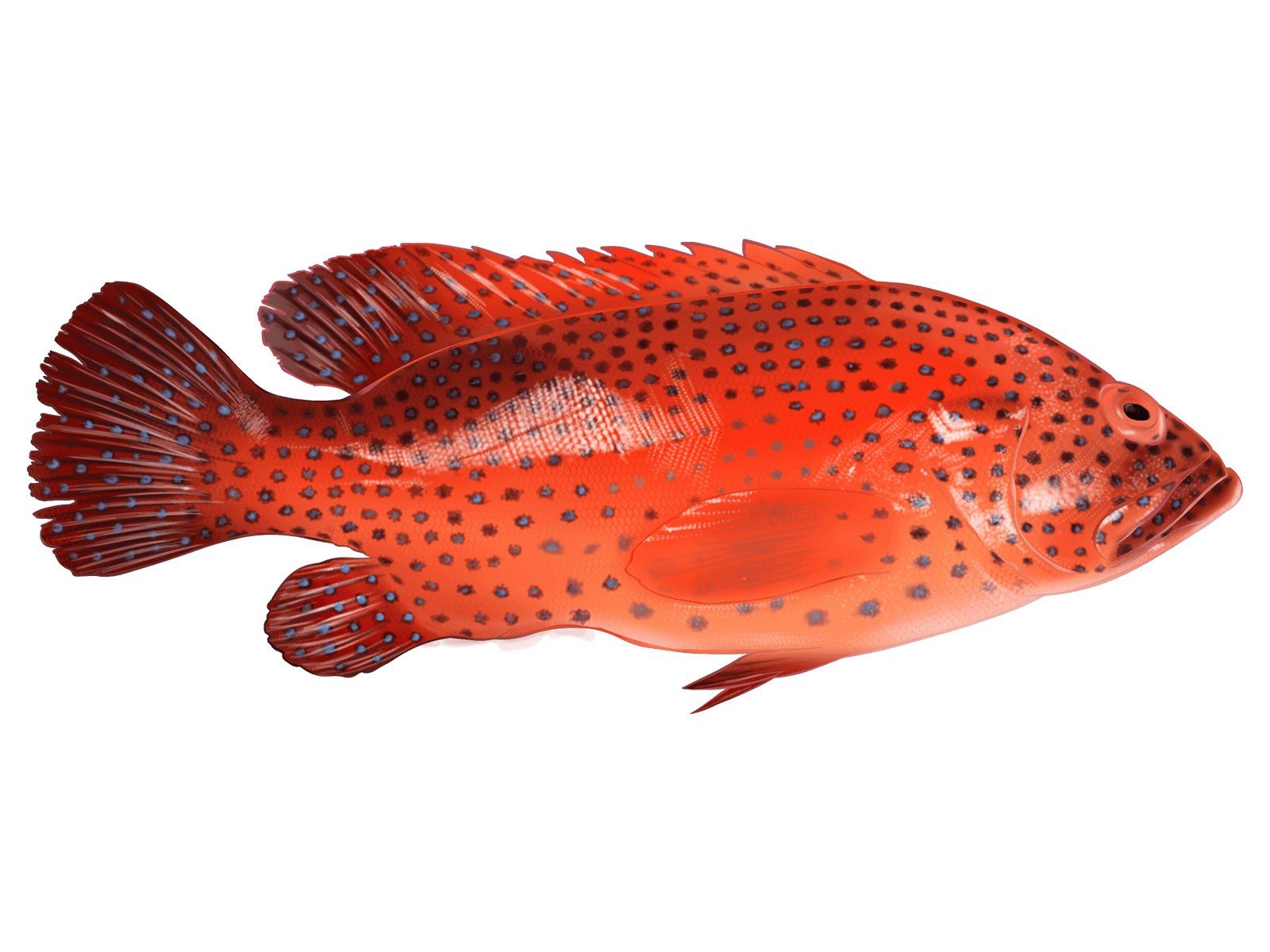
Red Grouper Overview
The Red Grouper (Epinephelus morio) is a member of the Serranidae family within the order Perciformes, and it's one of the most sought-after and commercially important grouper species in U.S. waters. What makes this fish instantly recognizable is its distinctive rusty-red body coloration, complemented by white spots that run from its head all the way to the base of its tail. These fish are robust and meaty despite their moderate size, equipped with a large mouth and razor-sharp teeth designed to hold onto prey rather than tear flesh. If you're fishing or diving off Florida's coast or anywhere along the Atlantic seaboard, there's a good chance you'll encounter this impressive predator. Red Groupers account for roughly 70% of all groupers harvested in U.S. waters, making them the backbone of commercial and recreational fisheries throughout the region.
Red Grouper Habitat and Distribution
Red Groupers are non-migratory fish that prefer muddy and rocky bottom habitats, typically found at depths ranging from 16 feet down to over 1,000 feet, though most recreational anglers encounter them in shallower waters between 10 and 100 feet. They thrive around reefs, ledges, wrecks, and rocky outcroppings where they can hunt effectively and find shelter. Geographically, this species is native to the western Atlantic, ranging from as far north as Massachusetts, down through Florida, throughout the Gulf of Mexico, and extending into the Caribbean and southern Brazil. Whether you're fishing nearshore structures or venturing offshore to deeper wreck systems, Red Groupers inhabit these waters year-round without undertaking significant migrations. Their preference for structured habitats makes them relatively predictable targets, though they remain formidable opponents once hooked.
Red Grouper Size and Weight
While Red Groupers can reach impressive sizes, most anglers catch fish weighing between 12 and 25 pounds, measuring roughly 17 to 35 inches in length. The record for the largest Red Grouper caught on rod and reel was a 42-pound specimen taken off St. Augustine, Florida in 1997, though such trophy-sized fish are exceptionally rare nowadays. Average catches tend to fall in the 5 to 10-pound range, with most fish not exceeding the 2-foot mark in length. Despite their relatively modest average size compared to some other grouper species, their robust and meaty body composition makes them excellent eating. These fish can live remarkably long lives, with some individuals reaching 29 years of age, which contributes to slower population recovery when overfishing occurs.
Red Grouper Diet and Behavior
Red Groupers are aggressive, opportunistic predators that actively hunt throughout the day, particularly during periods of increased current and reduced visibility. Their diet consists primarily of marine invertebrates such as shrimp, crabs, and octopi, though they'll occasionally consume smaller fish species that venture too close to their hunting grounds. These fish are ambush predators that rely on their rocky and wreck-laden habitats to surprise prey, using their large mouths to engulf meals whole rather than pursuing extended chases. They're known for their bold feeding behavior and willingness to strike at bait presentations, making them relatively straightforward targets for anglers. Behaviorally, Red Groupers are territorial fish that establish and defend specific reef or wreck locations, rarely straying far from their preferred habitats. This predictability is both a blessing and a curse—while it makes them easier to locate, it also makes them vulnerable to overfishing pressure in localized areas.
Red Grouper Spawning and Seasonal Activity
Red Groupers are protogynous hermaphrodites, meaning all individuals are born female. As they reach sexual maturity—typically between 7 and 14 years of age—many transition to males, though the exact sex ratio in wild populations remains subject to ongoing research. The spawning season typically occurs between January and April, during which both males and females release sperm and eggs into the water column for external fertilization. Fertilized eggs drift with ocean currents and hatch into larvae within approximately 30 hours. These larvae initially live among zooplankton near the water's surface before eventually settling to the bottom as juveniles, where they take refuge in seagrass beds and shallow structured habitats. Due to the critical nature of this spawning period, commercial and recreational fishing seasons for Red Groupers are completely closed from January through April in most management areas, providing these fish with crucial protection during their most vulnerable reproductive phase.
Red Grouper Techniques for Observation or Capture
Live Bait Presentation: Red Groupers respond aggressively to live bait, particularly live shrimp and crabs, which mimic their natural prey. Target rocky outcrops, reef edges, and wreck structures using light to medium tackle, allowing your bait to work naturally near the bottom where these fish hunt. Around St. Augustine, Florida and other established fishing destinations, guide services frequently use this method in 30-60 feet of water with excellent success rates.
Jigging Techniques: Vertical jigging with 1-4 ounce jigs tipped with squid or shrimp works exceptionally well, particularly around deeper wrecks and hard bottom structures. Drop your jig to the bottom, then work it with short, rhythmic lifts that create vibration and flash. Red Groupers are fierce strikers that typically hit aggressively as your jig falls or ascends.
Cut Bait Method: Fresh-cut mullet, mackerel, or bonito presented on the bottom near structure attracts these fish consistently. Use a standard bottom rig with a 2-3 ounce sinker and circle hook, letting your offering rest on the substrate where Red Groupers naturally forage. Be prepared for a tough fight, as these fish are renowned for their powerful runs and stubborn resistance near bottom structure.
Red Grouper Culinary and Utilization Notes
Red Grouper meat is highly prized in culinary circles, known for its moist, firm, and delightfully flaky texture with a shellfish-like flavor profile that sets it apart from many other fish species. The meat is white to pale pink and holds up beautifully to various cooking methods—whether grilled, baked, fried, or steamed. Commercially, Red Grouper is sold fresh or frozen as whole fish, steaks, or fillets, commanding premium prices at seafood markets and restaurants throughout the country. Nutritionally, grouper provides excellent lean protein, omega-3 fatty acids, and essential minerals. One important consideration: because Red Groupers feed heavily on shellfish, their meat can occasionally accumulate toxins from red tide events, so sourcing from reputable suppliers during clear water conditions is advisable. Sustainability-conscious consumers appreciate that catch limitations and seasonal closures help protect this species, making responsible consumption a meaningful choice for the future of the fishery.
Red Grouper Frequently Asked Questions
Q: What is the best bait for catching Red Grouper?
A: Live shrimp and live crabs are the most effective natural baits for Red Grouper, as they match the fish's preferred natural diet. Fresh-cut mullet and mackerel also work well. The key is presenting these baits near the bottom structure where Red Groupers actively hunt, using enough weight to reach the seafloor without excessive resistance.
Q: Where can I find Red Grouper near major fishing destinations?
A: Red Grouper are abundant throughout the Atlantic coast and Gulf of Mexico. Off Florida's coasts, particularly around St. Augustine and the Keys, productive areas include reef systems, offshore wrecks, and rocky outcroppings in 30-300 feet of water. Check with local charter operators for the most current productive spots, as Red Groupers congregate around specific structural features that shift seasonally.
Q: Is Red Grouper good to eat?
A: Absolutely—Red Grouper is considered one of the finest-tasting grouper species available. The meat is firm, flaky, moist, and features a subtle shellfish-like flavor that appeals to seafood enthusiasts. It's versatile in the kitchen and maintains excellent texture through various cooking methods, making it a worthwhile catch for the dinner table.
Q: When is the best time to catch Red Grouper?
A: While Red Grouper are available year-round in their native waters, the recreational and commercial fishing season is closed from January through April during spawning season. The best fishing typically occurs May through December, with consistent action available whenever current flows through your target structure and visibility is moderate.
Q: How do I know if I've hooked a Red Grouper versus another grouper species?
A: Red Groupers typically put up a powerful, stubborn fight with strong headshakes and runs toward structure. Their aggressive initial strike is usually unmistakable. Once landed, the distinctive rusty-red coloration, white spots across the body, and characteristic head shape make identification straightforward—these features are essentially diagnostic for this species.
Q: Are Red Grouper populations declining?
A: While Red Grouper populations haven't reached critical levels, documented declines have occurred in some Gulf of Mexico regions due to historical overfishing and accidental capture of juveniles by shrimp trawlers. Management measures including catch limitations, seasonal closures, and depth restrictions are actively working to restore populations and ensure sustainable fisheries for future generations.