Red Snapper and King Mackerel Fishing Panama City Beach
Red Snapper and King Mackerel Fishing - What to Expect

Fishing Charter by Captain Ryan Dauphin in October
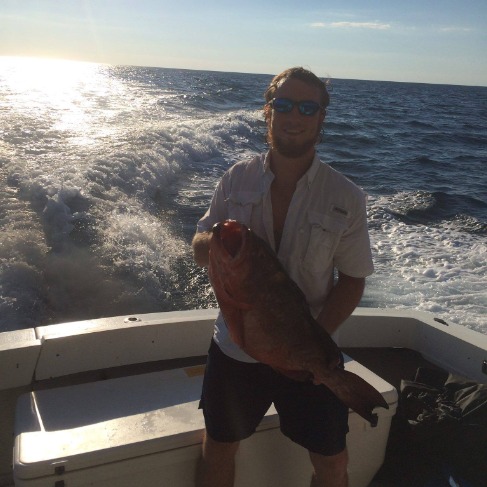
- Get Reel With Panama City Beach Fishing Charters!


Summary
Join Captain Ryan Dauphin of Dauphins Charter Fishing on a Thursday in October for an exciting fishing charter in Panama City Beach. This guided trip showcases what makes local waters special - multiple species, experienced leadership, and the kind of day on the water that keeps anglers coming back.
Fishing Charter with Captain Ryan Dauphin - Rates & Booking
Captain Ryan Dauphin of Dauphins Charter Fishing runs professional fishing charters out of Panama City Beach on a Thursday in October that deliver real results. When you book a trip with Ryan, you're getting someone who knows these waters inside and out and genuinely wants you to have a great day.
The fishing charter experience includes everything you need to focus on the action - your guide handles the expertise, reads the conditions, and puts you where the fish are. Whether you're new to fishing or seasoned, the setup is designed so you can concentrate on what matters: landing your catch and enjoying time on the water.
Interested in booking? Reach out to Dauphins Charter Fishing directly to check availability and lock in your dates. Charter fishing in Panama City Beach books up, especially during peak seasons, so planning ahead makes sense.
Highlights of Panama City Beach Charter Fishing
The waters around Panama City Beach are loaded with quality species. Red snapper are bottom dwellers that put up a solid fight and taste great. King mackerel are aggressive hunters that strike hard and run fast. Little tunny round out the mix - they're scrappy fighters that make for exciting action. On a good day, you'll encounter all three, which is exactly what makes this fishery so rewarding.
The dock photo tells the story - multiple species, healthy sizes, and the kind of variety that keeps each drop interesting. That's the Panama City Beach experience: diverse fishing opportunities in a location that's been proven time and again.
Local Species Insights: Red Snapper, King Mackerel, and Little Tunny
Red snapper are bottom feeders found along structure and deeper drop-offs. They're aggressive eaters that respond well to live bait and cut fish. Their habitat preference means your guide will work specific zones where snapper congregate. The challenge is getting them up from the bottom and into the boat - they pull hard and know how to use the structure to their advantage. Fighting a snapper off the bottom is pure fishing satisfaction.
King mackerel are open water hunters that patrol the Gulf looking for prey. They're speed demons with teeth and attitude - they'll hit baits with confidence and take you on a run that gets your heart pumping. Mackerel fishing involves reading the water, finding baitfish activity, and positioning where kings are feeding. When they eat, it's explosive, and the fight afterward is electric.
Little tunny are compact, hard-fighting fish that travel in groups. They're incredibly athletic and love to jump, which makes them thrilling for light tackle fishing. Their presence often signals healthy baitfish activity in the area. Tunny aren't huge, but what they lack in size they make up for in energy and determination. They're the kind of fish that reminds you why fishing is fun.
The Gulf waters off Panama City Beach create an environment where these species thrive. Temperature, baitfish availability, and structure all line up to make this a legitimate fishing destination. Your guide's job is understanding how these factors shift throughout the day and adjusting accordingly. The water conditions, depth zones, and seasonal patterns all play into where fish are and how they're feeding.
What makes this location special is the variety. In a single trip, you can experience three completely different fish species, each with its own fight style and strategy. That diversity keeps the action fresh and the day interesting from start to finish.
Fishing in Panama City Beach: Little Tunny, King Mackerel and Red Snapper
Little Tunny Overview
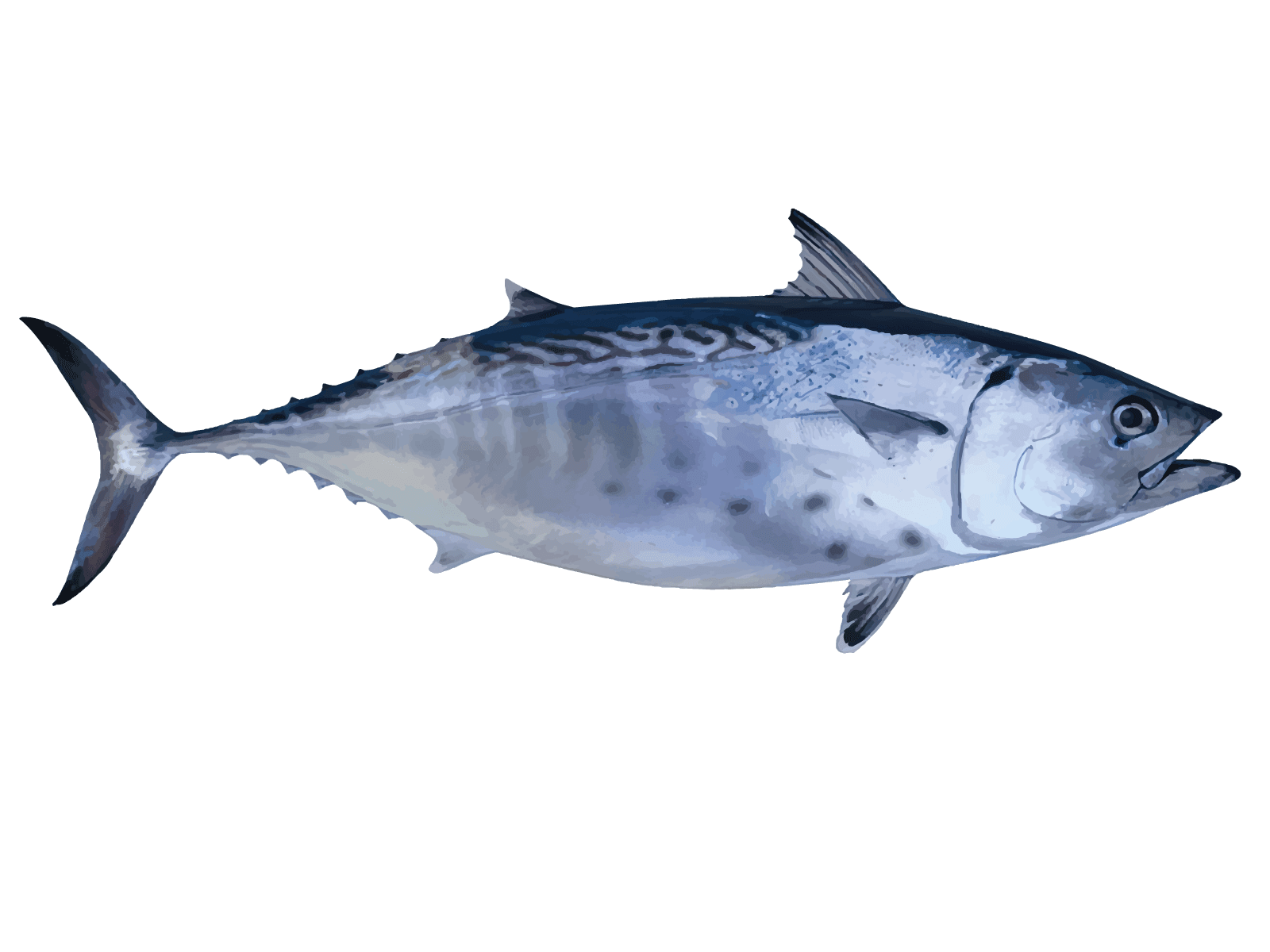
The Little Tunny (Euthynnus alletteratus) is a compact powerhouse of the Scombridae family, belonging to the order Perciformes. Also called Bonita or False Albacore, this smaller tuna variant has earned a devoted following among recreational anglers for its explosive fighting spirit and acrobatic runs. With a distinctive torpedo-shaped body, dark metallic blue coloring accented by blue-green stripes, and characteristic black fingerprint-like spots running along its sides, the Little Tunny is unmistakable once you've encountered one. What makes this species particularly exciting is that it's one of the more accessible tuna species for anglers targeting larger game fish, yet it delivers all the thrills you'd expect from the Scombridae family. Whether you're fishing the Atlantic coast or exploring nearshore reefs, these migratory fish offer year-round opportunity and consistently rewarding action.
Little Tunny Habitat and Distribution
Little Tunny are pelagic fish that thrive in warm to temperate coastal waters throughout the Atlantic Ocean and beyond. They prefer staying in nearshore waters, typically hugging the surface and concentrating around structure such as points, inlets, jetties, and sandbars where their prey congregates. These highly migratory fish travel in schools, moving southward during fall and winter months in search of warmer waters. You'll often find them swarming underneath jetties and around rocky outcrops, particularly when schools of baitfish are present. The species is native to Atlantic regions and can be encountered from spring through early winter depending on your location, with peak activity occurring during the warmer months when they're most aggressive and readily available to anglers.
Little Tunny Size and Weight
The Little Tunny is typically measured by weight rather than length, with average specimens ranging from 10 to 12 pounds. In terms of length, you can expect catches between 24 and 48 inches, though most fish encountered will fall in the mid-range of this spectrum. While the average weight hovers around 10–12 pounds, these fish can exceed 20 pounds, and the all-time record stands at approximately 36 pounds. Don't let the smaller size fool you—pound for pound, these fish fight with intensity that belies their modest dimensions, making them exciting targets for light-tackle and fly-fishing enthusiasts alike.
Little Tunny Diet and Behavior
As carnivorous hunters, Little Tunny are aggressive feeders that primarily consume small fish and invertebrates, particularly those found in concentrated schools. They actively hunt squid, crustaceans, and small baitfish, and they've developed a schooling strategy that amplifies their hunting efficiency—traveling in coordinated groups allows them to corral prey and overwhelm localized concentrations of food. One telling sign of their feeding activity is the noise they make while eating; experienced anglers learn to listen for the distinctive splashing and commotion that reveals an active school below the surface. These fish are relentless swimmers with high metabolic demands, which means they're almost always willing to chase fast-moving presentations. Their behavior shifts seasonally with migration patterns, becoming more active and aggressive as water temperatures warm during spring and early summer months.
Little Tunny Spawning and Seasonal Activity
Little Tunny exhibit distinct seasonal patterns driven by water temperature and prey availability. These fish are highly migratory, undertaking significant north-south movements with the changing seasons. During fall and winter, populations move southward toward warmer waters, while spring and summer see their return to northern regions where cooler, nutrient-rich waters support abundant forage. Their relatively short lifespan of approximately five years means each cohort moves through their life cycle quickly, contributing to the need for seasonal movement and continuous feeding. Peak activity for anglers occurs during spring through early fall, with summer typically offering the most consistent action. Understanding these seasonal movements is crucial for planning fishing trips, as your success depends heavily on timing your visit when populations are actively feeding in your target area.
Little Tunny Techniques for Observation and Capture
Trolling stands as the most effective and popular method for targeting Little Tunny. Set up multiple fishing lines with ballyhoo or mullet, adorned with brightly colored feathers to attract strikes. Since these fish school, working a productive area with multiple lines increases your odds significantly. Troll at moderate speeds in nearshore waters, focusing on areas with structure like jetties, points, and sandbars where schools tend to congregate. The key is patience and coverage—let your presentations work through the water column where these migratory fish are actively hunting.
Fly fishing offers thrilling sport for those seeking a lighter-tackle experience. Use lightweight streamers or poppers, casting toward visible activity or structure where you suspect schools are holding. The critical technique here is restraint—allow the fish to do the work rather than aggressively stripping or jerking your line, as these aggressive fish will take and the sudden tension could cause breakage. Around coastal inlets and nearshore reefs, sight-casting to visible schools can produce explosive strikes that rival any saltwater experience.
Live bait casting near structure is another productive approach. Deploy live Bluefish, Pinfish, or other small baitfish around jetties, rocks, and drop-offs, allowing them to swim naturally. These fish won't hesitate to chase live prey, and the advantage is that you can cover specific high-percentage zones methodically. Early morning and late afternoon often produce the most consistent activity, as feeding intensity increases during these lower-light periods.
Little Tunny Culinary and Utilization Notes
Little Tunny flesh is distinctly red compared to other tuna species, which sometimes creates confusion among consumers unfamiliar with the species—some worry it resembles red tide contamination when it's simply the natural color. The meat is robust and strongly flavored, more assertive than typical Yellowfin Tuna, which appeals to anglers who prefer deeper, meatier profiles. While edible, these fish are classified as average for food quality compared to larger tuna species, partly due to their texture and flavor intensity. If you decide to keep one for the table, thorough cleaning is essential, particularly the stomach cavity—Little Tunny are known to harbor various parasites, so proper preparation is non-negotiable. Fresher fish display redder meat, so judge quality by color intensity. Many anglers practice catch-and-release with these fish, valuing them primarily for the sport they provide rather than the culinary reward, though they certainly make acceptable table fare when properly handled.
Little Tunny Frequently Asked Questions
Q: What is the best bait or lure for Little Tunny?
A: Brightly colored feathered lures, ballyhoo, mullet, live Bluefish, and Pinfish all work exceptionally well. The key is movement and visibility—these fish are aggressive hunters that respond to fast, erratic presentations. Fly-fishing with streamers also produces excellent results for sight-casting scenarios.
Q: Where can I find Little Tunny near coastal jetties and inlets?
A: Little Tunny congregate around structure like jetties, rocky points, sandbars, and inlets where baitfish schools gather. Early morning trips to these locations often yield the best activity, as feeding intensity increases during dawn hours.
Q: Is Little Tunny good to eat?
A: Yes, though it's considered average for culinary quality compared to larger tuna species. The meat is naturally red and strongly flavored—deeper and more assertive than typical tuna. If keeping one for the table, ensure thorough cleaning to remove parasites, which this species is known to harbor.
Q: When is the best time to fish for Little Tunny?
A: Spring through early fall offers peak activity, with summer typically the most consistent period. These migratory fish move southward during fall and winter, so plan your trip accordingly. Early morning and late afternoon sessions often produce the most aggressive feeding activity.
Q: How hard do Little Tunny fight?
A: Pound for pound, these fish are outstanding fighters known for explosive strikes, aggressive runs, and acrobatic behavior. They're considered excellent odds for anglers seeking thrilling action, and many experienced saltwater fishermen specifically target them for this reason.
Q: What techniques work best for Little Tunny—trolling, casting, or fly-fishing?
A: All three techniques are effective depending on conditions and preference. Trolling with multiple lines covers water efficiently and works well in open water. Casting live bait near structure produces strikes in specific zones. Fly-fishing provides sport and elegance for sight-casting to visible schools, though each method requires patience and proper technique to succeed.
King Mackerel Overview
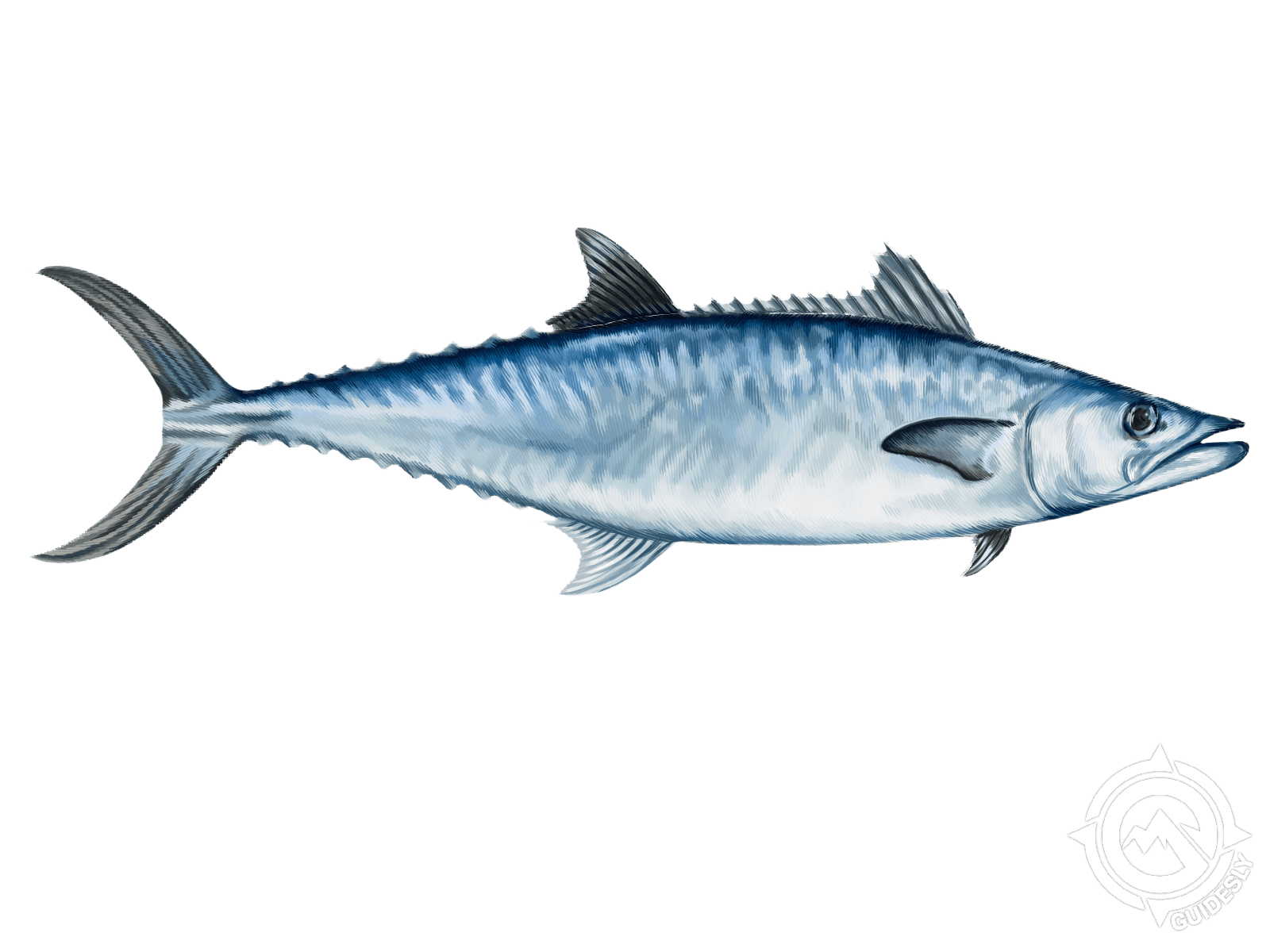
The King Mackerel (Scomberomorus cavalla) is a prized saltwater gamefish belonging to the family Scombridae and order Perciformes. Also known as Kingfish or Spanish Mackerel, this migratory powerhouse is famous among anglers for its lightning-fast runs and aggressive strikes. What makes the King Mackerel instantly recognizable are its small, loosely attached scales covering an olive-green back that contrasts beautifully with a silvery-white belly and shimmering, rosy iridescent sides. Younger specimens sometimes display brownish or yellowish spots on their flanks. Native to subtropical waters, King Mackerel are found throughout the Atlantic Coast and Gulf of Mexico, with particularly strong populations near North Carolina and Brazil. If you've ever chased a silver bullet through the water off the coast, chances are you've tangled with one of these magnificent fish.
King Mackerel Habitat and Distribution
King Mackerel are subtropical specialists that thrive in warm Atlantic and Gulf waters, ranging from the Gulf of Maine down through North Carolina, the entire Gulf of Mexico, and extending to Brazil—especially around Rio de Janeiro where they're incredibly abundant. These fish are also found in the Bay of Bengal and throughout the Indian Ocean and Arabian Sea. They prefer depths between 40 and 150 feet during normal conditions, though larger specimens often venture inshore to harbors and inlet waters as deep as 590 feet. Water temperature is crucial to their distribution; they're most active and concentrated in waters ranging from 68 to 84°F. Understanding these depth and temperature preferences is essential for anyone planning a King Mackerel fishing adventure along the Atlantic coast.
King Mackerel Size and Weight
King Mackerel are considered medium-sized fish, with a typical size range of 19 to 72 inches in length. Most caught specimens weigh between 10 and 20 pounds, though specimens commonly reach 30 pounds, and trophy-sized individuals have exceeded 90 pounds. An interesting biological detail: females significantly outweigh males at the same age. For example, a seven-year-old female King Mackerel might tip the scales at 22 pounds, while a male of identical age weighs only about 11 pounds. This sexual dimorphism in growth rates makes trophy hunting for larger specimens a realistic goal for dedicated anglers in coastal regions from North Carolina to Texas.
King Mackerel Diet and Behavior
As an opportunistic carnivore with an almost legendary voracious appetite, the King Mackerel is an aggressive hunter that feeds on a varied menu depending on seasonal availability. Their diet includes Blue Runner, Northern Mackerel, Striped Anchovy, Weakfish, Cutlassfish, Jack, Menhaden, and squid. What makes these fish particularly thrilling for anglers is their explosive feeding behavior—they're known to strike with extreme aggression and make blistering runs that can strip line from even well-spooled reels. Their teeth are notably similar to those of Bluefish, making them formidable predators capable of inflicting serious damage to bait and lures alike. King Mackerel behavior varies seasonally with water temperature and bait availability; they're most active when waters warm and migratory baitfish move through their territories. Their speed is legendary and matched only by the Wahoo, their distant relative, making them one of the most exciting gamefish to pursue.
King Mackerel Spawning and Seasonal Activity
King Mackerel are broadcast spawners, releasing sperm and eggs into the water column where fertilization occurs by chance. One of the most remarkable aspects of their reproductive biology is the incredibly short incubation period—fertilized eggs hatch in less than a day! This rapid development strategy allows populations to capitalize on favorable feeding conditions. Their migratory patterns are closely tied to water temperature; as coastal waters warm in spring and early summer, King Mackerel move northward and into shallower waters, creating peak fishing opportunities. As fall arrives and water temperatures drop, they migrate southward to warmer Gulf waters and deeper offshore zones. Understanding these seasonal movements is critical for planning successful fishing trips, whether you're targeting them off North Carolina in summer or pursuing Gulf populations in winter.
King Mackerel Techniques for Observation and Capture
Trolling with Large Lures: The most effective method for King Mackerel involves trolling at speeds between 8 and 12 knots using large planers, heavy tackle rated for 30- to 50-pound test, and vibrant artificial lures in silver, chartreuse, or blue patterns. Trolling depths of 40 to 150 feet are ideal in most locations. Around North Carolina's Outer Banks, summer trolling from June through August produces consistent strikes as migratory populations move through these rich fishing grounds.
Live Bait Rigging: If live bait is your preference, use a strong metal leader and tie two hooks to maximize your chances. Attach the first hook (single or treble) through the live bait's mouth and nose, then place a second treble hook through the back or allow it to dangle freely. This rigging strategy accounts for King Mackerel's tendency to bite at the rear section of baitfish first. Live mullet, mackerel, and herring work exceptionally well and trigger aggressive strikes.
Jigging and Wreck Fishing: Vertical jigging over reefs, wrecks, and deep structure with metal jigs (2 to 4 ounces) is a highly productive approach, particularly in offshore zones. Drop your jig to structure, then employ aggressive jigging motions with rapid rod snaps. This method concentrates effort in high-probability zones and produces strikes from feeding fish holding in deeper water or around cover.
King Mackerel Culinary and Utilization Notes
King Mackerel has grayish flesh with relatively high fat content and was only marketed fresh commercially beginning in 2005. While the fish is edible, potential consumers should be aware that King Mackerel accumulates significant mercury levels—alongside Tilefish, Shark, and Swordfish—making it advisable for children and pregnant women to avoid or strictly limit consumption. For anglers who choose to keep their catch, the grayish meat is best prepared fresh and suited to grilling, baking, or smoking. The high oil content makes it forgiving to cook and provides good flavor when properly prepared. Many recreational anglers practice catch-and-release to preserve populations and avoid mercury exposure concerns while still enjoying the thrilling fight these powerful fish provide.
King Mackerel Frequently Asked Questions
Q: What is the best bait or lure for catching King Mackerel?
A: Live bait such as mullet, mackerel, and herring work exceptionally well when rigged on metal leaders with double hooks. For artificial lures, large spoons, plugs, and jigs in silver, chartreuse, or blue patterns fished on heavy 30- to 50-pound tackle produce consistent results. Trolling these artificials at 8 to 12 knots is the most popular method among experienced anglers.
Q: Where can I find King Mackerel near major coastal cities?
A: King Mackerel are abundant throughout the Atlantic Coast from Texas to North Carolina, with prime populations in the Gulf of Mexico and nearshore waters. Summer months bring them northward; the Outer Banks of North Carolina hosts excellent populations June through September. Gulf ports in Texas and Florida offer year-round opportunities, particularly in the deeper channels and offshore zones.
Q: How do I distinguish a King Mackerel from a Spanish Mackerel or Cero?
A: The key distinguishing feature is the lateral line pattern. On King Mackerel, the lateral line runs along the body but stops abruptly around mid-body. In contrast, Spanish Mackerel and Cero species have lateral lines that slope gradually downward from the gill cover all the way to the tail. Additionally, King Mackerel typically grow larger and have larger teeth relative to their cousins.
Q: Is King Mackerel good to eat?
A: King Mackerel has flavorful, oily flesh that takes well to grilling and smoking. However, be aware that this species accumulates mercury at concerning levels. The FDA recommends that children and pregnant women avoid consumption. For others, occasional consumption of fresh King Mackerel is generally considered acceptable, though catch-and-release is increasingly popular to preserve populations and avoid potential health concerns.
Q: When is the best time to catch King Mackerel?
A: The prime fishing season varies by location. Along the Atlantic, late spring through early fall (May through September) offers the most consistent action as water temperatures warm and fish move northward. In Gulf waters, December through March provides excellent opportunities as fish congregate in deeper, warmer zones. Early morning and late afternoon typically produce the most aggressive feeding.
Q: What tackle and equipment do I need for King Mackerel fishing?
A: Use heavy-duty saltwater rods rated for 30- to 50-pound test line paired with multiplier reels capable of holding 300+ yards of backing. A strong metal leader (60- to 100-pound test) is essential, as King Mackerel possess teeth similar to Bluefish and will bite through monofilament instantly. Incorporate quality ball bearings and swivels into your rigging to reduce line twist during trolling operations.
Red Snapper (Lutjanus campechanus) Overview
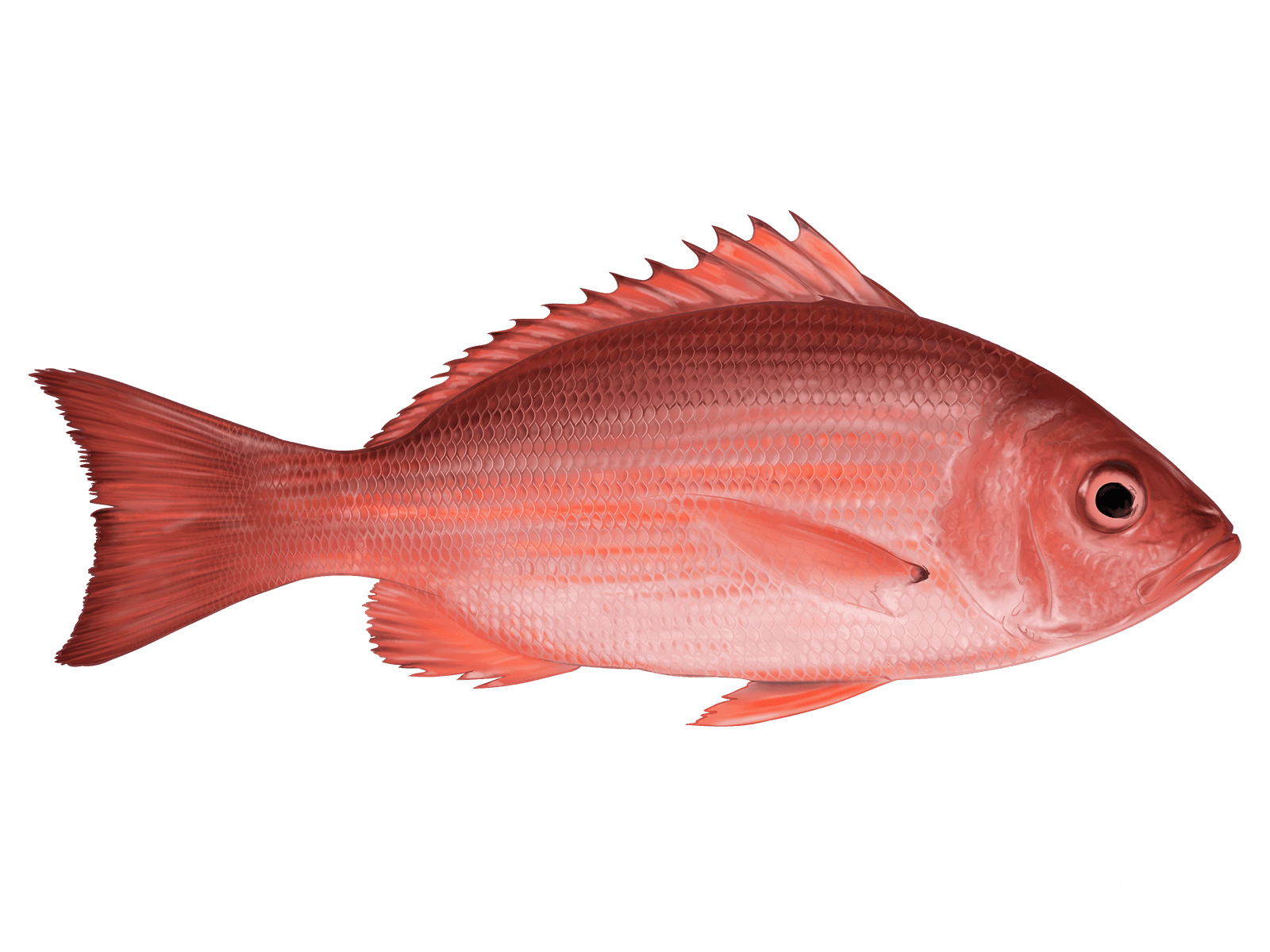
The Red Snapper, scientifically known as Lutjanus campechanus, belongs to the family Lutjanidae within the order Perciformes. This exceptional gamefish is one of the most sought-after species along the Atlantic coast and throughout the Gulf of Mexico, renowned for its brilliant red coloration, aggressive strike, and exceptional table quality. Red Snapper are true bottom dwellers that transform from pale pink juveniles into deep crimson adults, earning their reputation as trophy catches for both recreational anglers and commercial fisheries. Whether you're planning a fishing adventure in the Gulf of Mexico or exploring coastal waters, understanding this remarkable species will enhance your experience on the water.
Red Snapper Habitat and Distribution
Red Snapper thrive in the deep waters of the Atlantic coast and Gulf of Mexico, typically found at depths ranging from 30 to 620 feet. These fish prefer water temperatures between 50 and 70 degrees Fahrenheit, making them most active during moderate seasonal conditions. Juveniles inhabit shallower inshore areas with muddy bottoms, gradually migrating to deeper waters near structure as they mature. Adult Red Snapper are predominantly found near artificial and natural structures including reefs, wrecks, rocky outcroppings, and debris fields that provide shelter and concentrate forage fish. The Gulf of Mexico remains the primary hotspot for Red Snapper populations, with substantial populations extending down the eastern seaboard. Areas around Louisiana, Texas, and Florida's Gulf coast are particularly productive for encountering these fish.
Red Snapper Size and Weight
Red Snapper demonstrate impressive growth potential, with typical specimens caught by anglers ranging from 19 to 39 inches in length and weighing between 5 to 20 pounds on average. However, these fish can grow considerably larger under optimal conditions, with documented specimens exceeding 3 feet in length and weighing over 35 pounds. The world record Red Snapper weighed an astounding 50 pounds 4 ounces, a legendary catch landed off Louisiana waters in 1966. Most Red Snapper encountered in modern fisheries are between 4 to 6 years old, reflecting current population dynamics and regulatory management. These fish possess remarkable longevity, with lifespans exceeding 20 years, allowing mature individuals to reach exceptional sizes and weights.
Red Snapper Diet and Behavior
Red Snapper are carnivorous bottom feeders with a diverse diet consisting primarily of smaller fish and crustaceans. Their preferred prey includes cigar minnows, pinfish, pigfish, live squid, shrimp, and octopus, reflecting their opportunistic feeding strategy in deep-water environments. These aggressive hunters are most active during dawn and dusk periods, though they feed throughout daylight hours, particularly during slack tide periods when visibility and feeding conditions are optimal. Red Snapper exhibit strong territorial behavior, remaining in proximity to structure and cover where they ambush passing prey. Their reputation as fierce fighters stems from their powerful strikes and determined runs toward nearby cover—a characteristic that makes them exhilarating opponents for anglers. When hooked, Red Snapper will aggressively attempt to reach nearby structure, making rod strength and sharp hooks essential for successful encounters.
Red Snapper Spawning and Seasonal Activity
Red Snapper reach sexual maturity around 5 to 8 years of age, with larger, older females producing substantially greater numbers of eggs than their younger counterparts. A single 24-inch female can produce as many eggs as 212 seventeen-inch females, making size-selective reproduction a critical management consideration. The spawning season extends from May through October, with peak activity occurring during warmer months when water temperatures optimize reproductive success. Fertilized eggs drift to the surface and hatch within approximately one day, with larvae remaining in the planktonic water column before settling into shallow nursery habitats after about one month. As juvenile Red Snapper grow, they gradually migrate to deeper waters where they eventually establish residence near structure in the deep Gulf. This life history transition from shallow nurseries to deep offshore habitats reflects the species' adaptation to distinct environmental zones throughout their development.
Red Snapper Techniques for Observation and Capture
Bottom Fishing with Heavy Rigs: The most effective method for catching Red Snapper involves deploying heavy multi-hook rigs dressed with weights substantial enough to maintain bottom contact in deep water. Electric reels, manual reels, and handlines all prove effective when rigged properly. Bait your hooks with live pinfish, cigar minnows, fresh squid, or live shrimp, then lower your presentation to the bottom where Red Snapper congregate. The key to success lies in keeping your bait at or near bottom structure where these fish feed. Around the Gulf of Mexico's major fishing ports, charter captains utilize GPS and sonar to locate wreck structures and reef systems, deploying rigs precisely over productive bottom. Expect powerful strikes and immediate runs toward cover—maintain steady upward pressure to prevent your line from cutting on structure.
Fly Fishing for Surface-Active Fish: When Red Snapper move shallow or feed near the surface, fly fishing presents an exciting and productive alternative to traditional bottom techniques. Rig an 11 to 13-weight fly line with Clouser minnow or deceiver patterns that mimic local forage species. Some anglers employ chum slicks to concentrate Red Snapper before casting, then strip flies with erratic, natural-looking retrieve patterns. Present your fly to rising fish and work it back toward deeper water with consistent stripping action—Red Snapper will aggressively attack moving flies that resemble fleeing prey species. This technique works particularly well during early morning hours and slack tides when Red Snapper move into shallower water.
Targeting Structure and Seasonal Timing: Success with Red Snapper depends heavily on identifying productive structure and timing your fishing efforts around seasonal patterns. Focus on natural and artificial reefs, shipwrecks, rock formations, and other bottom features that hold concentrated populations. Spring and early summer, when water temperatures warm and spawning activity increases, represent prime fishing seasons. Target dawn and dusk periods when feeding intensity peaks, and plan your trips around slack tide periods when Red Snapper feed most aggressively.
Red Snapper Culinary and Nutritional Value
Red Snapper ranks among the most prized culinary fish, commanding premium prices in seafood markets and restaurants throughout the nation. The flesh features a mild, slightly nutty flavor profile with firm texture that holds up exceptionally well to various cooking methods. Whether baked, pan-fried, grilled, or steamed, Red Snapper delivers outstanding eating experiences that have made it an enduring favorite among seafood enthusiasts. To fully appreciate the delicate natural flavors, many chefs recommend minimal seasoning—simple preparations featuring salt, pepper, and fresh lemon juice allow the fish's inherent qualities to shine. Beyond culinary appeal, Red Snapper offers impressive nutritional benefits, serving as an excellent source of omega-3 fatty acids essential for cardiovascular and cognitive health. The fish is naturally low in calories, high in complete protein, and contains minimal saturated fat, making it an ideal choice for health-conscious diners. Red Snapper provides abundant B12 and vitamin D, along with important minerals including iron and potassium. Regular consumption supports heart health, enhances brain function, boosts immune response, and promotes healthy skin and hair development.
Red Snapper Frequently Asked Questions
Q: What is the best bait for catching Red Snapper?
A: Live pinfish and cigar minnows consistently outperform other bait options, particularly for larger specimens. Fresh squid, live shrimp, pigfish, and octopus also produce excellent results. The key lies in presenting fresh, lively bait on heavy rigs that reach bottom structure where Red Snapper feed. Experiment with combinations to determine what works best in your specific fishing location.
Q: Where can I find Red Snapper fishing opportunities in the Gulf of Mexico?
A: Major fishing ports throughout Louisiana, Texas, and Florida's Gulf coast provide excellent access to Red Snapper populations. Charter services in these areas operate specialized trips targeting deep-water structure. Public fishing piers in coastal communities occasionally offer opportunities during peak seasons, though private boat access typically provides superior fishing success.
Q: Is Red Snapper good to eat?
A: Absolutely—Red Snapper is exceptional table fare featuring mild, slightly nutty flavor and firm white flesh. The fish is highly nutritious, rich in omega-3 fatty acids, and works beautifully with various cooking methods. Most culinary experts recommend simple preparations that highlight natural flavors rather than heavy seasoning.
Q: When is the best time to catch Red Snapper?
A: The spawning season from May through October represents peak activity periods, with summer months typically offering the most consistent fishing. Within each day, dawn and dusk periods produce the most aggressive feeding activity. Slack tides create optimal feeding conditions regardless of season.
Q: How deep do I need to fish for Red Snapper?
A: Red Snapper inhabit depths ranging from 30 to 620 feet, though most productive fishing occurs between 60 and 300 feet. Always check current regulations and use GPS/sonar to identify structure at appropriate depths for your specific fishing area.
Q: What equipment do I need for Red Snapper fishing?
A: Heavy-duty conventional or electric reels paired with sturdy rods rated for deep-water applications work best. Bring quality multi-hook rigs with substantial weights, sharp hooks in appropriate sizes, and durable line rated for the depths and structure you'll encounter. Experienced anglers recommend having backup tackle and extra rigs to maximize fishing time.