Atlantic Sailfish Caught Panama City Beach FL
Sailfish Fishing in Panama City Beach - What to Expect

Fishing Charter by Captain Ryan Dauphin in October
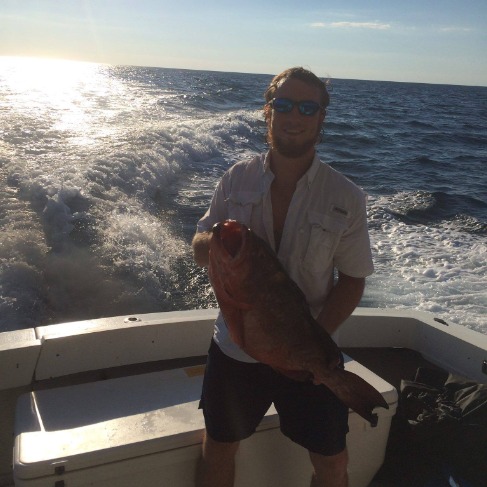
- Get Reel With Panama City Beach Fishing Charters!


Summary
Reel in the action on a fishing charter in Panama City Beach, where Captain Ryan Dauphin of Dauphins Charter Fishing delivers hard-hitting sailfish encounters. This Thursday, October adventure showcases the explosive energy and precision required to land one of the Gulf's most prized catches, combining local expertise with world-class saltwater fishing.
Fishing Charter with Captain Ryan Dauphin - Rates & Booking
Captain Ryan Dauphin of Dauphins Charter Fishing delivered pure fishing action on Thursday, October 15 when this stunning Atlantic sailfish hit the line off Panama City Beach. This fishing charter showcases the intensity and skill required to battle one of the Gulf's most dynamic game fish. The experience brings together precision angling, local knowledge, and the raw thrill of saltwater combat with a prized catch that demands focus and technique.
Dauphins Charter Fishing specializes in delivering memorable offshore encounters where every cast and hook set matters. Captain Ryan's expertise in reading the water and positioning the boat puts anglers in position for explosive strikes. Whether you're targeting sailfish or other Gulf species, the charter experience includes everything needed for a successful day on the water. Contact Dauphins Charter Fishing to book your own high-energy fishing adventure and experience the thrill that comes with landing a trophy-class catch.
Highlights of Your Fishing Charter
This charter captures the peak moments that make Panama City Beach saltwater fishing legendary. The dramatic action of a sailfish strike - the sudden head shake, the acrobatic runs, the intensity of the fight - delivers the kind of adrenaline rush that keeps anglers coming back. Three fishermen worked together to execute the landing, showcasing the teamwork and coordination that separates successful charters from forgettable ones.
Captain Ryan's local expertise means anglers spend less time searching and more time fishing. The Gulf waters around Panama City Beach hold consistent opportunities for sailfish action during peak seasons, and the charter's proven tactics put fishermen in position to succeed. This is saltwater fishing at its best - skill, timing, and the explosive energy of tangling with one of the ocean's most athletic game fish.
Local Species Insights: Atlantic Sailfish
The Atlantic sailfish represents the pinnacle of Gulf sportfishing - a species built for speed, agility, and dramatic battles. These fish patrol offshore structures, current breaks, and deep water zones where prey concentrate. The sailfish's signature move is the sudden strike followed by powerful runs that test both tackle and angler stamina. They're known for aerial displays and head-shaking runs that create unforgettable moments on the water.
Sailfish hunting typically happens in depths ranging from 60 to 200 feet, where the Gulf's structure meets open water. These fish respond to live baits and fast-moving artificials, making them a perfect target for active anglers who want constant engagement. The species exhibits aggressive feeding behavior during prime seasons, making October a solid window for charter opportunities. Each encounter demands quick reflexes, proper hook sets, and sustained pressure to successfully land one of these ocean athletes. Captain Ryan's experience reading sailfish behavior and water conditions gives his charters a significant edge in converting strikes into successful catches.
Panama City Beach sits in a prime location for consistent sailfish activity. The Gulf's unique combination of current patterns, bathymetric structure, and forage fish concentration creates ideal conditions for these predators. The offshore zone within reach of charter boats holds regular sailfish populations, especially during fall months when water conditions optimize and fish feed aggressively. This geographic advantage, combined with Captain Ryan's skill and local knowledge, creates the foundation for thrilling fishing experiences like the one captured in this image.
Plan Your Fishing Day
A typical sailfish charter from Panama City Beach combines early morning preparation with full-day offshore excitement. Anglers should plan for extended time on the water where positioning, patience, and quick reactions all factor into success. The charter provides the boat, expertise, and tactical advantages needed to find and hook quality fish. Wear appropriate sun protection, bring polarized sunglasses to help spot activity, and prepare mentally for the physical demands of fighting large game fish. The Gulf's offshore environment can shift quickly, so experienced captains like Ryan adjust tactics throughout the day to maintain contact with actively feeding sailfish. Group camaraderie and shared excitement create an atmosphere that amplifies every strike and successful catch.
Fishing in Panama City Beach: Atlantic Sailfish
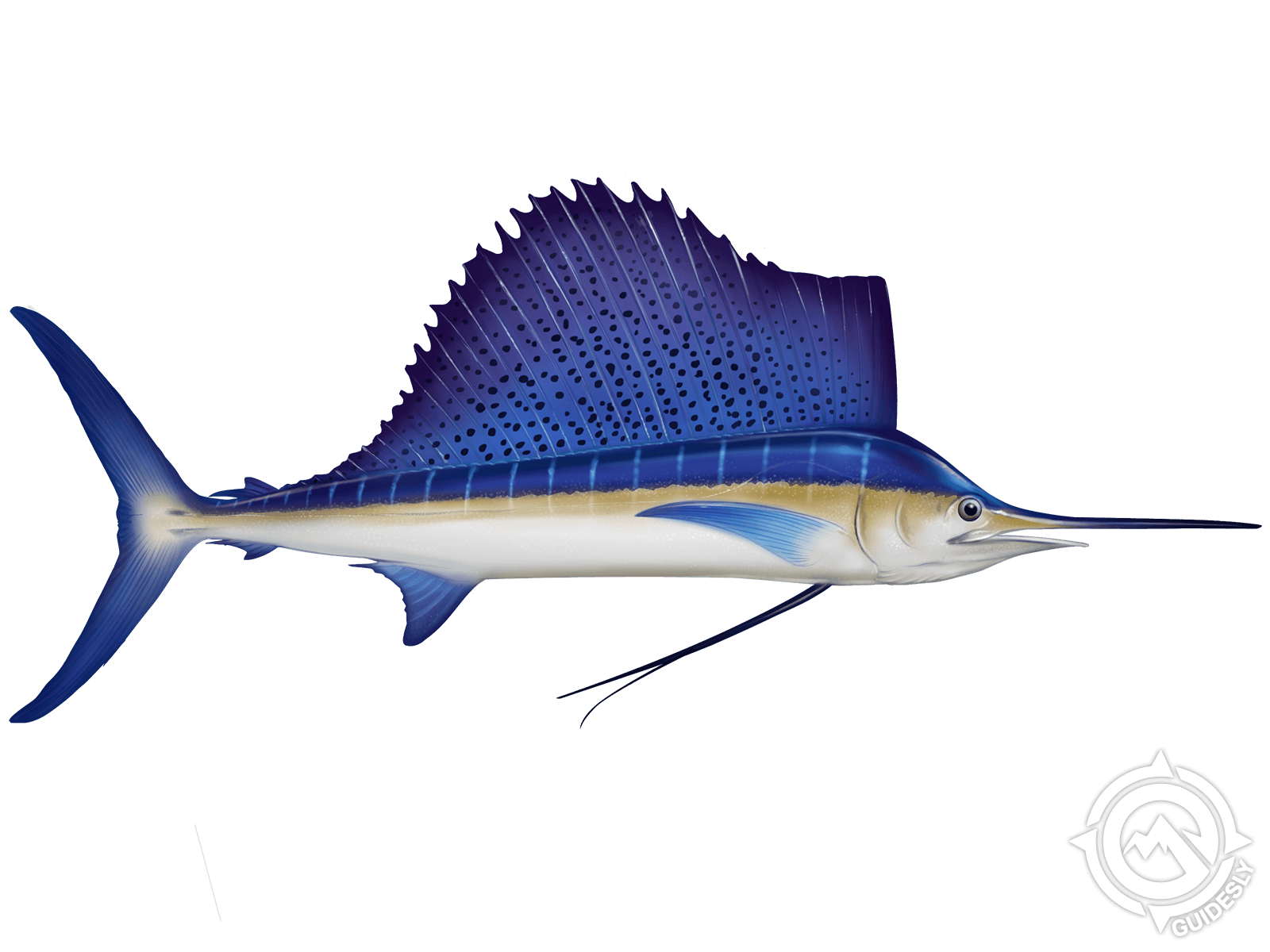
Atlantic Sailfish Overview
The Atlantic Sailfish (Istiophorus albicans), a member of the family Istiophoridae and order Perciformes, stands as one of the world's most thrilling saltwater gamefish. With its distinctive blue-to-gray metallic body and towering sail-like dorsal fin, this species is instantly recognizable and celebrated by anglers from Florida to beyond. These magnificent fish are carnivorous hunters known for their explosive speed, acrobatic leaps, and intelligent hunting behaviors. What makes the Atlantic Sailfish truly special is its ability to change colors rapidly—shifting between brilliant blues, blacks, and stripes—to communicate with pod mates during coordinated feeding attacks. When you're out on the water in South Florida or the Florida Keys, spotting the telltale sail of one of these beauties cutting through the surface is an experience few anglers ever forget.
Atlantic Sailfish Habitat and Distribution
Atlantic Sailfish thrive in warm tropical and subtropical waters, preferring temperatures between 70° to 83°F. These highly migratory fish are found throughout the western and eastern Atlantic Ocean, typically in coastal and nearshore waters where they hunt near the surface at depths of 30 to 65 feet, though they'll venture into deeper waters up to 650 feet when pursuing prey. Their migration patterns follow warmer water masses seasonally, making them nomadic hunters constantly on the move.
The most legendary fishing destination for this species is Sailfish Alley in South Florida, the region between North Miami Beach and Fort Pierce, where anglers can pursue them throughout the year. Winter months, particularly December through March, bring peak concentrations to the Florida Keys, making this the prime season for encounters. The combination of consistent warm water, abundant baitfish, and ideal current patterns makes South Florida the Atlantic Sailfish capital of the world.
Atlantic Sailfish Size and Weight
Atlantic Sailfish are large, streamlined predators built for speed and endurance. The average fish runs 7.5 feet in length and weighs approximately 50 pounds, though they can grow significantly larger. The typical range spans from 90 inches to 124 inches (7.5 to 10+ feet), with weights varying from 50 pounds to an impressive 142 pounds for trophy specimens. Despite their considerable length, these fish maintain remarkably lightweight builds—a adaptation that preserves their legendary speed and agility during hunts and when hooked.
Atlantic Sailfish Diet and Behavior
As apex predators, Atlantic Sailfish are voracious carnivores with sophisticated hunting strategies. They primarily feed on schooling fish like sardines, anchovies, and mackerel, but will also consume squid and crustaceans when available. What's particularly fascinating is their cooperative hunting behavior—juveniles often form tight schools to corner and consume baitfish balls, while adults may hunt solo or in small groups. During these coordinated attacks, they use their enormous dorsal fins to herd prey into tight balls, making feeding more efficient.
One of their most remarkable adaptations is their specialized nervous system that controls rapid color changes. These aren't random shifts; they're deliberate communication signals used to coordinate with other sailfish during hunts. When a sailfish detects prey, it flashes brilliant colors to alert pod mates, turning a solitary hunt into a orchestrated team effort. This intelligence and social complexity make them fascinating subjects for anglers and marine biologists alike.
Atlantic Sailfish Spawning and Seasonal Activity
Atlantic Sailfish spawn primarily during summer months, though spawning can begin as early as April in warmer regions. Their spawning season typically peaks from June through August when water temperatures reach optimal levels. Outside of spawning periods, these fish remain in constant motion, following food sources and favorable temperature zones across vast ocean distances.
Seasonal migration patterns are pronounced and predictable. During winter, massive concentrations of Atlantic Sailfish migrate into Florida waters, particularly around the Keys and South Florida coast. This predictable influx has made winter the premium fishing season, with peak conditions typically occurring January through March. Spring and fall transitions see fish moving between deeper, cooler waters and shallow coastal zones as they track baitfish migrations.
Atlantic Sailfish Techniques for Observation and Capture
Method 1: Live Bait Trolling from Offshore Vessels
The most effective approach involves running your boat slowly at trolling speeds (3-5 knots) at depths of 30-65 feet where sailfish patrol. Use a 12-15 weight rod paired with a 50-pound arbor reel loaded with heavy sinking line (65-80 feet). Rig large 5/0 to 7/0 live baitfish—mackerel, squid, or slice tuna work exceptionally well. When a sailfish takes the bait, maintain firm pressure immediately as it will attempt to shake the hook free. Wait for the initial explosive run before applying heavy pressure; these fish tire quickly if you stay patient and let them run first. Around the Florida Keys and Sailfish Alley between North Miami Beach and Fort Pierce, this method produces consistent results year-round.
Method 2: Fly Fishing with Large Poppers and Tube Flies
For an adrenaline-pumping experience, pursue Atlantic Sailfish on fly gear using 12-15 weight rods with heavy sinking heads. Cast large tube flies or popper heads in bright pink-and-white or blue-and-white color combinations—these colors trigger aggressive strikes. Sight-cast to cruising fish in shallow water (15-40 feet) and strip aggressively to mimic fleeing prey. This visual hunting style allows you to witness the explosive strike and spectacular jumps that make sailfish legendary fighters.
Method 3: Teasing and Live Bait Presentation
Use a teaser rig—a skipjack or bonito head—to attract sailfish to your boat, then present a live mullet, mackerel, or squid on your main line. This doubles your chances by giving sailfish a choice and can trigger competitive feeding behavior in groups. In South Florida waters, this technique often results in multiple sailfish appearances on a single trip during peak winter season.
Atlantic Sailfish Culinary and Utilization Notes
Atlantic Sailfish are classified as poor eating fish, making them unsuitable for culinary purposes. Their meat is low in quality, tough in texture, and generally unpalatable compared to other gamefish. However, this doesn't diminish their value—sailfish are pursued almost exclusively for sport and the incredible fighting experience they provide. The thrill of landing one of these acrobatic warriors is the true reward, not table fare. Many regions have implemented catch-and-release regulations to protect populations and ensure future generations of anglers can experience these magnificent fish.
Atlantic Sailfish Frequently Asked Questions
Q: What is the best bait and tackle setup for Atlantic Sailfish?
A: Use a 12-15 weight rod with 50-pound arbor reels for conventional fishing or fly work. Fresh mackerel, squid, or live mullet are excellent bait choices. Large 5/0 to 7/0 hooks with 65-80 feet of heavy sinking line work best. Fly fishers should focus on bright pink-white or blue-white tube flies and popper heads that create maximum visibility and vibration underwater.
Q: Where can I find Atlantic Sailfish near South Florida and the Florida Keys?
A: The most productive zone is Sailfish Alley, stretching from North Miami Beach to Fort Pierce. This region offers year-round opportunities, though winter (December through March) brings peak concentrations. The Florida Keys also experience excellent fishing during these months when water temperatures and baitfish availability peak. Book a charter from Miami, Fort Lauderdale, or Key West for your best chances.
Q: When is the absolute best time to catch Atlantic Sailfish?
A: Winter dominates the fishing calendar, with January through March representing peak season in South Florida and the Florida Keys. During these months, sailfish concentrate in nearshore waters, making encounters more likely. Summer offers spawning aggregations in deeper water, while spring and fall transitions can be productive for anglers willing to venture offshore.
Q: Are Atlantic Sailfish good to eat?
A: No, Atlantic Sailfish are classified as poor eating fish with tough, low-quality meat unsuitable for culinary purposes. These fish are pursued exclusively for sport and the extraordinary battle they provide. Most jurisdictions encourage catch-and-release practices to maintain healthy populations and preserve this incredible gamefish for future anglers.
Q: How fast do Atlantic Sailfish actually swim?
A: The speed debate continues among scientists. Some older studies claimed 68 mph speeds, but those were recorded during leaping behavior when fish slow significantly. Contemporary research suggests more realistic sustained speeds of 22-34 mph, which remains impressively fast. Regardless of exact speed, Atlantic Sailfish rank among the world's fastest fish and are built for explosive acceleration and agility.
Q: What makes Atlantic Sailfish special compared to other gamefish?
A: Atlantic Sailfish combine raw power, intelligence, and acrobatic ability unlike any other saltwater species. Their ability to change colors to communicate, coordinate group hunts, and leap repeatedly during fights creates an unmatched angling experience. The combination of their speed, strength, and fighting spirit—plus the reliable winter concentrations in South Florida—makes them the premier saltwater gamefish for serious anglers worldwide.